

Why Every Gardener Needs a Plant Caddy
Understanding the Role of Plant Caddies in Gardening
Plant caddies are essential tools for any gardener. They make moving heavy pots a breeze. These wheeled platforms support large plants and containers. You can easily roll them around your garden or patio. This saves you from strain and injury.

Plant caddies come in various sizes and materials. Some are made of plastic, while others are metal. They can hold different weights, from light herb pots to heavy tree containers. Many have locking wheels for stability when not in use.
Using a plant caddy allows for better plant care. You can move plants to ideal sun spots as seasons change. It's easier to clean under and around pots. Watering and fertilizing become simpler tasks. Plant caddies truly revolutionize how we care for our outdoor plants.
The Benefits of Using Plant Caddies for Outdoor Plants
Plant caddies offer numerous advantages for gardeners. Here are some key benefits:
- Mobility: Move plants with ease, adjusting their location as needed.
- Protection: Keep plants off the ground, away from pests and excess moisture.
- Versatility: Use on various surfaces like decks, patios, or inside greenhouses.
- Space-saving: Maximize garden space by easily rearranging plants.
- Plant health: Improve drainage and air circulation around pots.
- Convenience: Make watering, pruning, and other care tasks more accessible.
- Safety: Reduce the risk of back strain from lifting heavy pots.
Plant caddies also extend the life of your containers. By keeping pots off the ground, you prevent rot and staining. This is especially helpful for wooden or ceramic pots. You can also use caddies to create dynamic displays, rotating plants for visual interest.
Selecting the Right Garden Fence for Your Plant Caddy
Factors to Consider When Choosing a Garden Fence
When selecting a garden fence to complement your plant caddy setup, consider these factors:
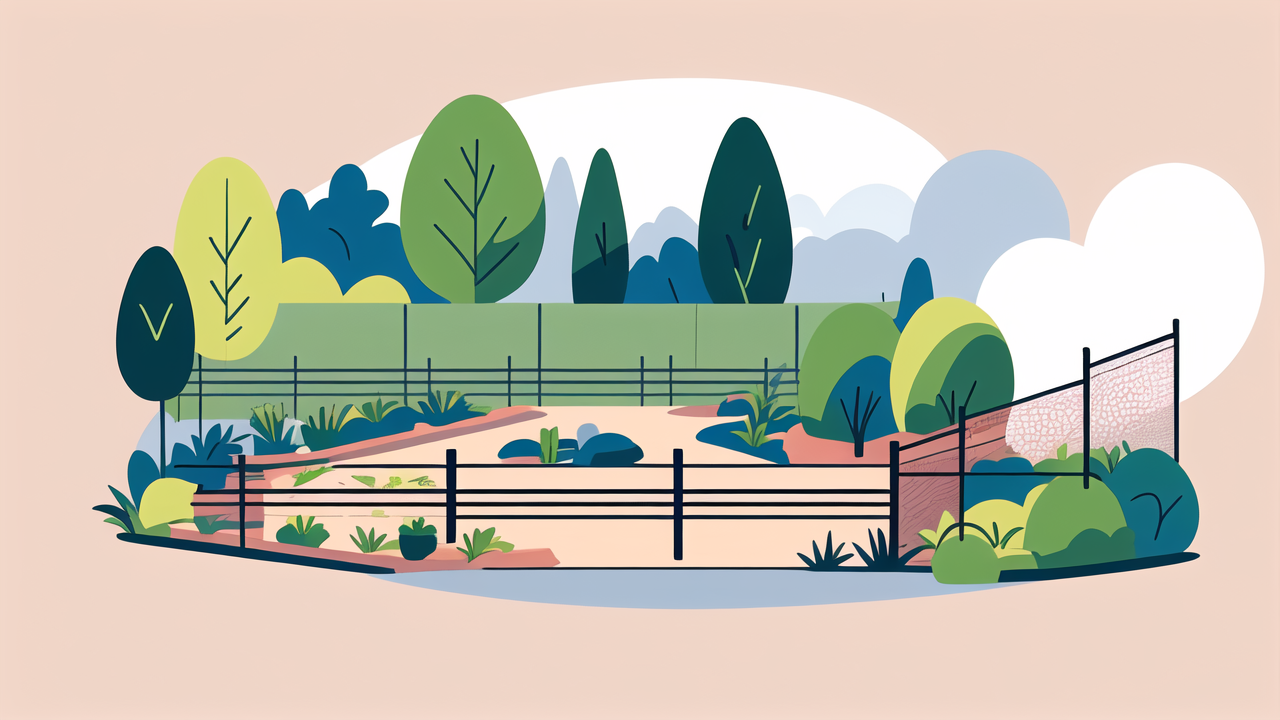
- Height: Decide how tall you want your fence based on privacy needs and local rules.
- Material: Choose from wood, metal, vinyl, or composite based on durability and style.
- Maintenance: Consider how much upkeep you're willing to do.
- Cost: Factor in both initial installation and long-term maintenance expenses.
- Style: Pick a design that matches your home and garden aesthetic.
- Purpose: Determine if it's for decoration, security, or to keep animals out.
- Climate: Select materials that can withstand your local weather conditions.
Your fence should also allow enough space for plant caddies to move freely. Gates should be wide enough for easy access. Consider the weight of your loaded plant caddies when choosing gate hardware. A sturdy fence can also serve as support for climbing plants on caddies.
Top Materials and Designs for Garden Fences
Garden fences come in various materials and designs. Here are some popular options:
- Wood: Classic and versatile, available in many styles.
- Vinyl: Low-maintenance and durable, resistant to rot and pests.
- Metal: Strong and long-lasting, comes in wrought iron, aluminum, or chain-link.
- Composite: Combines wood fibers and plastic for a natural look with less upkeep.
- Bamboo: Eco-friendly and adds a tropical feel to your garden.
Design options include:
- Picket fences: Traditional and charming, great for cottage gardens.
- Privacy fences: Tall and solid, perfect for creating secluded spaces.
- Lattice fences: Decorative and allow airflow, ideal for supporting vines.
- Split-rail fences: Rustic look, suitable for large properties or farmhouse styles.
Choose a fence that complements your plant caddies and overall garden design. A well-chosen fence can enhance the beauty of your outdoor space and protect your plants.
Implementing and Maintaining Your Garden Fence
Best Practices for Setting Up Your Plant Caddy
Setting up your plant caddy system requires careful planning. Follow these best practices:
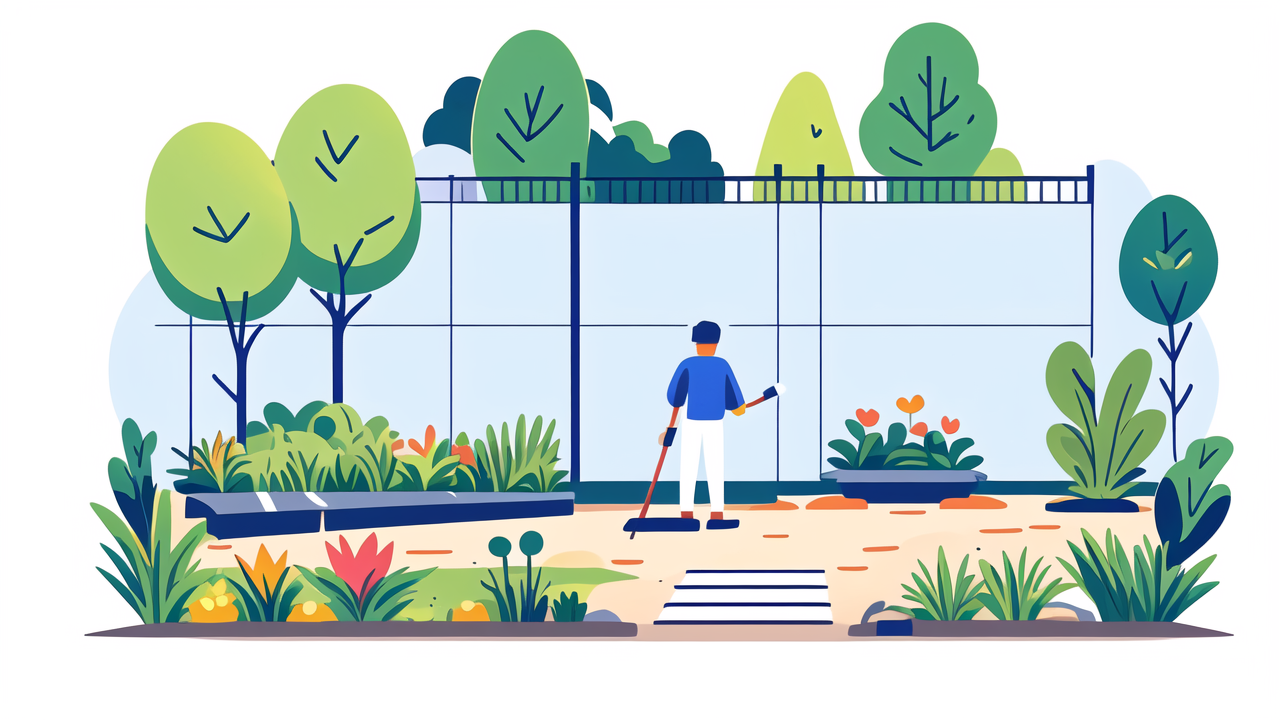
- Assess your space: Measure your garden area to determine caddy and plant sizes.
- Plan pathways: Ensure enough room for caddies to move between fence and plants.
- Choose level ground: Place caddies on flat surfaces to prevent tipping.
- Consider weight limits: Check caddy capacity before loading with heavy plants.
- Group similar plants: Arrange caddies with plants that have similar care needs.
- Allow for growth: Leave space between caddies for plants to expand.
- Create zones: Organize caddies by sun exposure or watering requirements.
When integrating with your fence, ensure gates are wide enough for caddies to pass through. Install smooth pavers or a solid path for easy rolling. Use corner protectors where caddies might bump into the fence. This setup will make your gardening tasks much more manageable.
Tips for Regular Maintenance of Your Garden Fence
Maintaining your garden fence is crucial for its longevity and appearance. Here are some tips:
- Inspect regularly: Check for damage, loose boards, or signs of pest infestation.
- Clean annually: Wash the fence to remove dirt, algae, and mildew.
- Treat wood fences: Apply sealant or paint every few years to protect from weather.
- Tighten hardware: Check and tighten screws, hinges, and latches as needed.
- Address repairs promptly: Fix small issues before they become major problems.
- Trim nearby plants: Keep vines and shrubs from overgrowing and damaging the fence.
- Check for rot: Replace any sections showing signs of decay, especially at ground level.
For plant caddies, regular maintenance is also important. Clean the wheels and bearings to ensure smooth movement. Check for rust on metal parts and treat as needed. Replace any broken casters promptly to maintain stability. With proper care, your fence and plant caddies will serve you well for years to come.