

The Strategic Advantages of Linear Raised Garden Beds
Exploring the Efficiency of Linear Design
Linear raised garden beds offer a smart solution for maximizing garden space. These beds make the most of available area, allowing for easy access and maintenance. They fit well along fences, walls, or property lines, using space that might otherwise go unused.

Linear designs also simplify irrigation and pest control. You can install drip systems or soaker hoses easily along the length of the bed. This ensures even watering and reduces water waste. For pest control, you can cover the entire bed with netting or row covers more efficiently.
These beds also make crop rotation simpler. You can divide the bed into sections, rotating crops annually to maintain soil health. This method helps prevent soil depletion and reduces the spread of plant-specific diseases.
The Aesthetics of Linear Raised Garden Beds in Landscaping
Linear raised garden beds can enhance the visual appeal of your outdoor space. Their clean, straight lines create a sense of order and structure in the garden. This orderly look contrasts beautifully with the natural growth of plants, creating an eye-catching design element.
You can use these beds to create distinct zones in your garden. For example, you might have a bed for vegetables, another for herbs, and a third for flowers. This zoning not only looks neat but also helps with garden management.
Linear beds can also serve as borders or dividers in your landscape. They can define pathways, separate different garden areas, or create a transition between your lawn and other landscape features. This dual function - as both a growing space and a design element - makes them highly versatile in landscape planning.
Innovative Materials and Construction Techniques for Garden Fences
Choosing the Right Materials for Durability and Maintenance
When building linear raised garden beds, material choice is crucial. Traditional wood is popular, but newer options offer better durability. Composite materials, for instance, resist rot and don't need regular staining or sealing.

Concrete blocks or stone can create sturdy, long-lasting beds. These materials are ideal for permanent installations and can withstand harsh weather conditions. They also retain heat, which can be beneficial for plant growth in cooler climates.
Metal, such as corrugated steel, is another durable option. It's resistant to pests and decay, and can create a modern, industrial look. However, it may heat up quickly in direct sunlight, which could affect some plants.
Recycled plastic lumber is an eco-friendly choice. It's made from post-consumer plastic and is highly durable. This material won't splinter, rot, or need painting, making it low-maintenance and long-lasting.
Advanced Construction Methods to Maximize Garden Space
Innovative construction techniques can help you make the most of your linear raised beds. One approach is the keyhole garden design. This method incorporates a small central compost area, allowing nutrients to spread throughout the bed.
Vertical integration is another space-saving technique. By adding trellises or support structures to your linear beds, you can grow climbing plants vertically. This method doubles your growing space without expanding the bed's footprint.
Consider incorporating built-in irrigation systems during construction. Embedding soaker hoses or drip lines in the bed structure ensures efficient watering. This approach saves time and conserves water by delivering moisture directly to plant roots.
For urban settings, modular designs are gaining popularity. These allow you to easily add, remove, or rearrange bed sections as needed. This flexibility is perfect for renters or those with changing garden needs.
Implementing Linear Raised Garden Beds in Various Environments
Adapting Linear Raised Garden Beds to Urban Settings
In urban environments, space is often at a premium. Linear raised garden beds offer an excellent solution for city dwellers looking to grow their own produce. These beds can be installed on balconies, rooftops, or small patios, making the most of limited space.
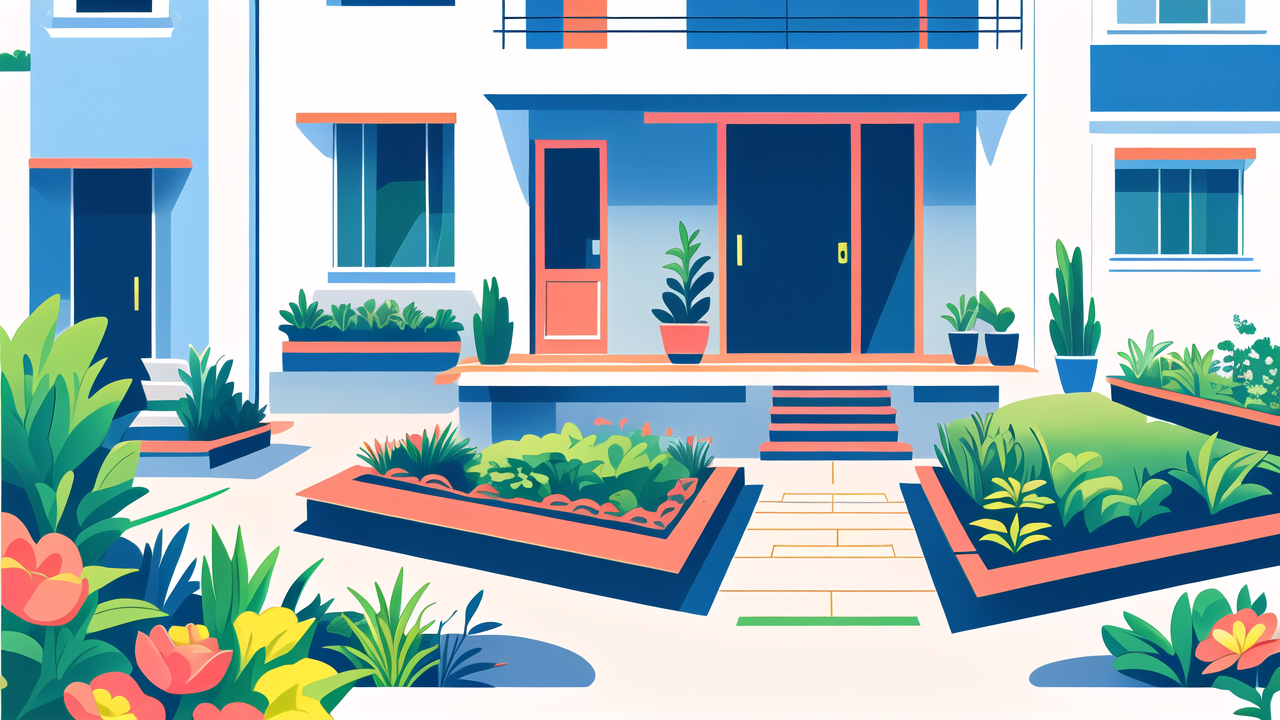
For balcony gardens, consider narrow, shallow beds that can be securely attached to railings. These provide growing space without taking up valuable floor area. On rooftops, lightweight materials are crucial to avoid overburdening the structure.
In community gardens, linear beds can be arranged to create individual plots. This layout allows for easy access and clear boundaries between gardeners' spaces. It also simplifies the installation of shared irrigation systems.
Urban gardeners should also consider vertical elements in their linear bed designs. Adding trellises or stakes allows for growing climbing plants like peas or beans, maximizing the growing space in a small footprint.
Best Practices for Installing Linear Raised Garden Beds in Suburban and Agricultural Areas
In suburban and agricultural settings, linear raised garden beds offer numerous benefits. They can be used to create organized and efficient vegetable gardens, herb gardens, or flower beds. The key is to plan your layout carefully to maximize both productivity and aesthetics.
Consider the sun exposure in your yard when positioning your beds. Most vegetables need at least 6-8 hours of direct sunlight daily. Orient your beds north-south if possible to ensure even sun distribution across the plants.
In larger spaces, create wide paths between beds for easy access with wheelbarrows or garden carts. This design allows for efficient harvesting and maintenance. Paths can be covered with mulch or gravel to prevent mud and control weeds.
For sloped areas, terraced linear beds can help prevent soil erosion. Build the beds to follow the contours of the land, creating level growing spaces on uneven ground. This approach not only maximizes usable space but also adds visual interest to your landscape.
Lastly, consider integrating your linear beds with other garden features. They can border a patio, line a driveway, or surround a central focal point like a fountain or seating area. This integration helps create a cohesive and attractive garden design.