

Understanding the Essentials of Gardening for Small Spaces
Assessing Your Garden: Space, Light, and Soil Conditions
Before starting your small space garden, it's crucial to assess your area. Look at the available space carefully. Measure it to know exactly what you're working with. Check the light conditions throughout the day. Some plants need full sun, while others thrive in shade.
Next, examine your soil. Is it sandy, clay-like, or loamy? Each type affects plant growth differently. You might need to improve your soil with compost or other amendments. Don't forget to consider water access. Having a nearby water source makes gardening much easier.
Lastly, think about your climate. Some plants do better in certain weather conditions. Knowing your hardiness zone helps you choose the right plants for your area.
Key Tools and Materials for the Urban Gardener
Every urban gardener needs a few essential tools. A good set of hand pruners is a must for trimming plants. A trowel helps with planting and digging small holes. Don't forget a watering can or hose for keeping your plants hydrated.
For container gardening, you'll need pots of various sizes. Choose materials like plastic, ceramic, or fabric grow bags. Each has its benefits. You'll also need high-quality potting soil. It provides better drainage than regular garden soil.
Other useful items include:
- Garden gloves to protect your hands
- A small rake for soil preparation
- Plant labels to keep track of what you've planted
- A spray bottle for misting delicate plants
The Importance of a Gardening Plan
A well-thought-out plan is key to successful small space gardening. Start by deciding what you want to grow. Consider your favorite fruits, vegetables, or flowers. Think about how much time you can dedicate to gardening. Some plants need more care than others.
Next, create a layout of your space. Sketch where each plant will go. Consider companion planting. Some plants grow better together. Others might hinder each other's growth. Plan for crop rotation if you're growing vegetables. This helps prevent soil depletion and pest problems.
Include a maintenance schedule in your plan. Note when to water, fertilize, and prune your plants. This keeps you organized and ensures your garden gets the care it needs.
Maximizing Crop Yield with Limited Space
Strategies for Selecting the Right Plants and Flowers
Choosing the right plants is crucial for small space gardening. Look for compact or dwarf varieties. These plants stay small but still produce well. Consider plants that serve multiple purposes. For example, herbs can be both decorative and edible.

Focus on high-yield plants if you're growing vegetables. Cherry tomatoes, lettuce, and bush beans are great choices. They produce a lot in a small area. For flowers, consider plants that bloom for long periods. This gives you more color throughout the season.
Don't forget about succession planting. This means planting new crops as soon as you harvest others. It keeps your garden productive all season long. Mixing fast-growing and slow-growing plants can also maximize your space.
Controlled Gardening Techniques for Compact Spaces
Several techniques can help you make the most of a small garden. Square foot gardening is popular for small spaces. It involves dividing your garden into small squares. Each square holds a different crop. This method helps you organize your space efficiently.
Container gardening is another great option. You can grow plants in pots on balconies, patios, or windowsills. Use self-watering containers to reduce maintenance. They help keep soil moisture consistent.
Consider hydroponic or aquaponic systems for even more control. These soil-less methods can produce high yields in small areas. They're perfect for growing leafy greens and herbs indoors.
Growth Hacks: Using Vertical Space and Containers
Vertical gardening is a game-changer for small spaces. Use trellises, wall planters, or hanging baskets to grow upwards. Vining plants like cucumbers and pole beans are perfect for this. You can also stack containers to create a vertical garden.
Try using unconventional containers to save space. Old wooden crates, rain gutters, or even shoe organizers can become planters. Just make sure they have proper drainage. Tiered planters are another space-saving option. They allow you to grow multiple plants in a small footprint.
Don't forget about interplanting. This means growing short plants under taller ones. For example, plant lettuce under tomatoes. The lettuce uses space that would otherwise be wasted.
Turning Your Garden into a Multipurpose Space
Creating a Beautiful and Functional Outdoor Experience
A small garden can be both beautiful and functional. Start by creating defined areas for different activities. You might have a seating area, a growing space, and a storage spot. Use plants to create natural dividers between these areas.
Choose furniture that serves multiple purposes. A bench with storage underneath saves space. Foldable chairs can be put away when not in use. Consider a small table for outdoor dining or as a potting station.
Add personal touches to make the space inviting. Use colorful pots or garden art. Install soft lighting for evening enjoyment. A small water feature can create a peaceful atmosphere. Remember, even small gardens can become relaxing retreats.
The Intersection of Gardening and DIY Projects
DIY projects can enhance your small garden and save money. Build your own raised beds using reclaimed wood. This gives you control over soil quality and reduces bending. Create a simple compost bin to recycle kitchen scraps. It provides free fertilizer for your plants.
Make your own trellises or supports for climbing plants. You can use bamboo poles, old ladders, or even branches. Build a rain barrel to collect water for your garden. This saves money and is eco-friendly.
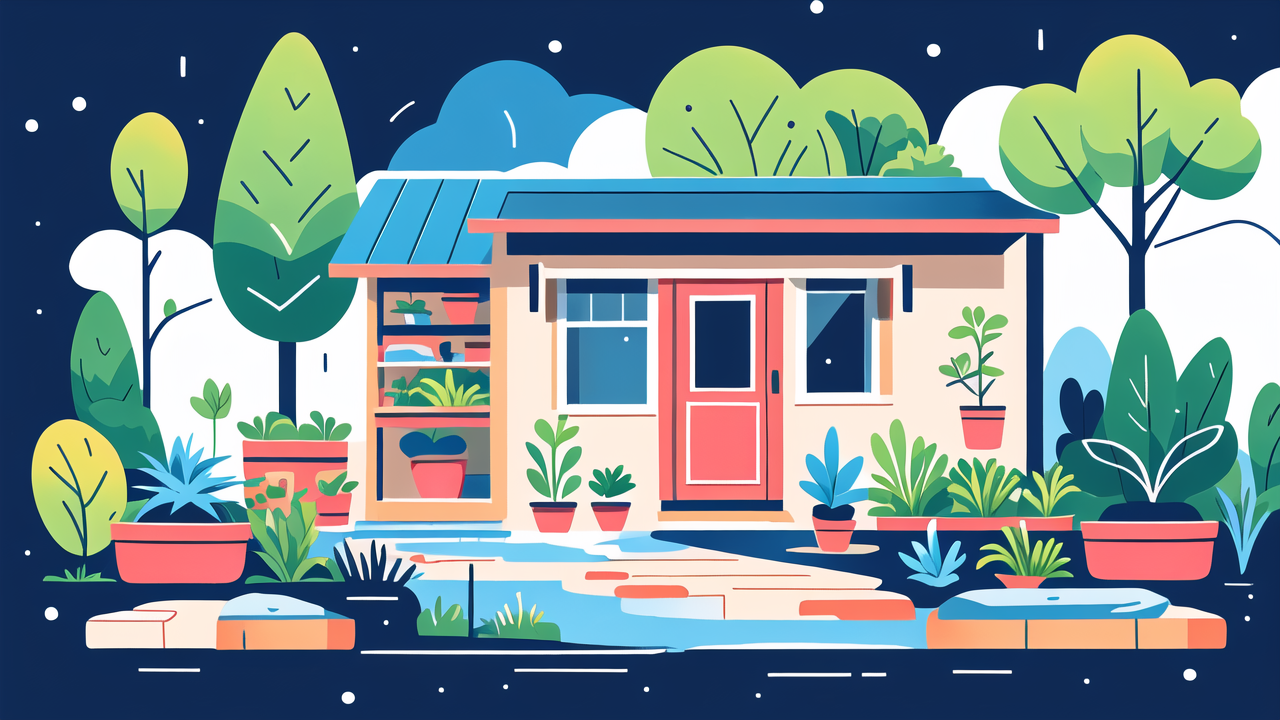
Consider creating multi-functional elements. A garden fence can double as a vertical planting surface. A storage shed can have a green roof for extra growing space. With creativity, you can make every part of your garden work harder.
Sustainable Practices for Small Gardens
Sustainable gardening is important, even in small spaces. Start by conserving water. Use mulch to retain soil moisture. Install a drip irrigation system for efficient watering. Collect rainwater for your garden if possible.
Choose native plants when you can. They're adapted to your climate and need less care. They also support local wildlife like birds and butterflies. Avoid using chemical pesticides. Instead, try companion planting or natural pest control methods.
Compost your kitchen scraps and garden waste. This reduces landfill waste and provides free fertilizer. Practice crop rotation to maintain soil health. Consider using renewable energy sources like solar-powered lights. Every small step towards sustainability helps the environment.