

Understanding Composite Fencing in the Gardening Landscape
What is Composite Fencing?
Composite fencing is a modern alternative to traditional garden fence materials. It's made from a mix of wood fibers and recycled plastic. This blend creates a durable, low-maintenance option for gardens.

Composite fences come in various styles and colors. They can mimic the look of wood without the drawbacks. Unlike wood, they don't rot, warp, or need regular painting.
These fences are gaining popularity among homeowners. They offer a long-lasting solution for garden boundaries. Composite fencing is also resistant to pests and weather damage.
The Environmental Benefits of Composite Materials
Composite fencing is eco-friendly. It uses recycled materials, reducing waste in landfills. This process helps conserve natural resources and trees.
The production of composite fences has a lower carbon footprint. They don't require harmful chemicals for treatment. This makes them safer for the environment and your garden.
Composite fences last longer than traditional wood. This means less frequent replacements and less waste over time. They're also recyclable at the end of their life cycle.
Comparing Composite Fences with Traditional Options
Composite fences offer several advantages over traditional materials. They require less maintenance than wood fences. You don't need to paint, stain, or seal them regularly.
These fences are more resistant to weather and pests. They don't rot, splinter, or attract termites like wood does. This makes them a durable choice for garden fencing.
However, composite fences can be more expensive upfront. But their long lifespan and low maintenance can offset this cost over time. They also come in limited color options compared to painted wood fences.
The Advantages of Traditional Fencing for Gardens
The Aesthetic Appeal of Traditional Fences
Traditional fences have a timeless charm. They can enhance the natural beauty of your garden. Wood fences, in particular, offer a classic look that many homeowners prefer.
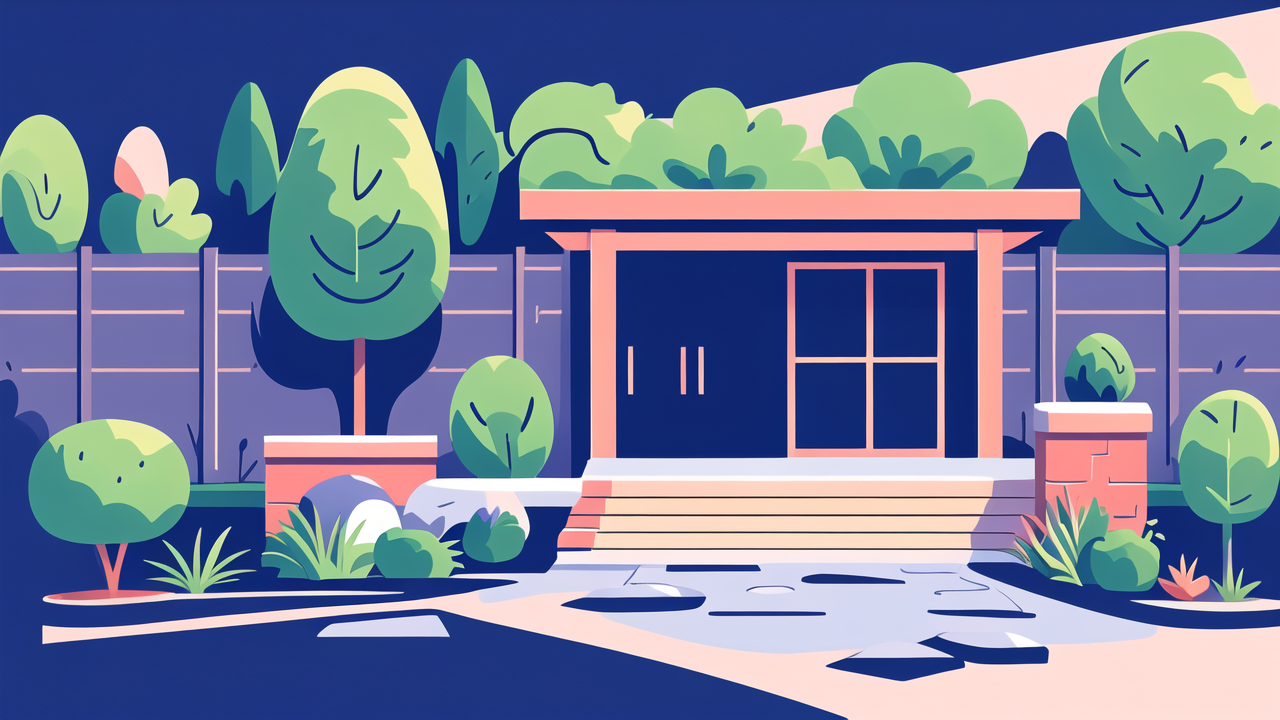
These fences come in various styles. You can choose from picket, post-and-rail, or privacy designs. This variety allows you to match your garden's aesthetic perfectly.
Traditional fences can be painted or stained. This gives you more control over their appearance. You can easily change their color to suit your changing tastes or garden design.
Durability and Longevity of Traditional Materials
Well-maintained traditional fences can last for decades. Wood fences, when properly treated, can withstand various weather conditions. They can be repaired easily if damaged.
Metal fences, like wrought iron, are known for their strength. They can last for generations with minimal maintenance. These fences are ideal for security and durability.
Stone and brick fences offer unparalleled longevity. They can stand for centuries, adding value to your property. These materials age beautifully, enhancing your garden's charm over time.
The Cost-Effectiveness of Traditional Fencing Solutions
Traditional fencing materials are often more affordable upfront. Wood fences, in particular, offer a good balance of cost and aesthetics. They're easy to install, which can reduce labor costs.
Many traditional materials are readily available. This can lead to lower prices and easier repairs. You can often replace individual parts without redoing the entire fence.
DIY installation is possible with many traditional fences. This can significantly reduce costs for handy homeowners. However, professional installation is recommended for best results.
Best Practices for Garden Fence Installation
Factors to Consider When Choosing a Fence Material
Climate is a key factor in fence selection. Consider your area's weather patterns and choose materials accordingly. For example, wood may not be ideal in very wet climates.

Your garden's style should influence your choice. A modern garden might suit a composite fence. A cottage garden might look better with a traditional wooden fence.
Consider your maintenance preferences. If you enjoy DIY projects, a wood fence might be suitable. For a low-maintenance option, composite or metal fences are better choices.
Professional Installation Techniques for Composite and Traditional Fences
Proper foundation is crucial for all fence types. Posts should be set deep enough to provide stability. Concrete footings are often used for added strength.
For composite fences, precise measurements are important. These fences often come in pre-made panels. Accurate spacing of posts ensures a proper fit.
With wood fences, treating cut ends is essential. This prevents moisture damage and extends the fence's life. Proper hardware selection is also important for longevity.
Maintenance and Care for Different Fencing Types
Composite fences need minimal maintenance. Regular cleaning with soap and water is usually sufficient. Avoid harsh chemicals that could damage the material.
Wood fences require more care. Annual inspections for damage are important. Repainting or restaining every few years helps protect the wood from elements.
Metal fences should be checked for rust regularly. Touching up paint can prevent corrosion. Lubricating moving parts, like gate hinges, ensures smooth operation.
Stone and brick fences may need repointing over time. This involves replacing mortar between stones or bricks. Regular cleaning can prevent moss and algae growth.