
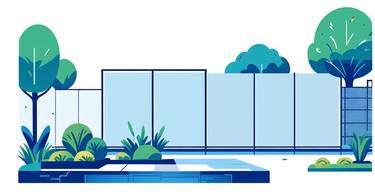
The Importance of Security Fencing in Small Yard Gardening
Understanding the Role of Fences in Protecting Your Garden
Fences play a crucial role in small yard gardening. They act as a barrier against pests and animals. This is vital for protecting your plants. Fences also mark clear boundaries for your garden space. They create a defined area for your vegetables to grow. In urban settings, fences offer privacy from neighbors. This lets you enjoy your garden in peace. A well-designed fence can support climbing plants too. This is great for vegetables like peas or beans. Fences can be part of your vegetable garden fence ideas. They can blend security with style. Good fencing helps create a safe, productive garden space.

Assessing the Needs for Security in Your Garden
Every garden has unique security needs. Think about what animals are common in your area. Do you need to keep out small pests or larger animals? Consider the height of your fence. It should be tall enough to stop jumpers. The material of your fence matters too. Some animals can chew through certain materials. Weather is another factor to consider. Your fence should stand up to local climate conditions. Don't forget about human trespassers. A sturdy fence can prevent theft of your vegetables. Also, think about your garden's visibility. Do you want a solid fence for privacy or an open one for air flow?
The Intersection of Aesthetics and Safety in Gardening
A garden fence can be both functional and beautiful. Modern fences come in many styles and colors. You can choose one that matches your home and garden design. Some fences allow for vertical gardening. This is perfect for space saving garden ideas. You can grow vines or hang planters on your fence. This makes the most of your garden space. Consider mixing materials for a unique look. Wood and metal combos are popular. You can also paint your fence to match your garden's color scheme. Remember, a beautiful fence can make your whole garden look better. It's not just about keeping things out. It's about making your space look great too.
Innovative Aluminum Fencing Solutions for Your Garden
The Rise of Aluminum Fences in Modern Gardening
Aluminum fences are becoming popular in small yard gardening. They offer many benefits over traditional materials. Aluminum is light but strong. It doesn't rust like iron or rot like wood. This makes it great for long-lasting garden use. Aluminum fences come in various styles. You can find one to match any garden design. They're easy to install, which is great for DIY gardeners. Many aluminum fences are also recyclable. This appeals to eco-friendly gardeners. These fences need little upkeep. You won't need to paint or stain them often. For busy gardeners, this is a big plus. Aluminum fences provide security without losing style.

How Aluminum Fences Can Enhance Your Gardening Experience
An aluminum fence can greatly improve your garden. It provides strong support for climbing plants. This is perfect for vertical garden planters. You can grow more in less space. The fence's strength means you can hang planters without worry. This adds another layer to your garden design. Aluminum fences allow good air flow. This is crucial for plant health. They also let in plenty of sunlight. Your plants will thrive with this balance. The fence's sleek design doesn't overshadow your plants. It acts as a subtle backdrop to your garden's beauty. With an aluminum fence, you can focus more on gardening and less on fence care.
Customizing Your Aluminum Fence for Maximum Impact
Aluminum fences offer many customization options. You can choose from various heights to suit your needs. Colors range from natural aluminum to painted finishes. This lets you match your fence to your garden's style. Some designs have decorative elements like scrolls or spears. These add visual interest to your garden. You can also add gates in different styles. This ensures easy access to your garden. Consider adding lattice sections. These are great for growing vining vegetables. You can even add lighting to your fence. This creates a beautiful look in the evening. The key is to tailor your fence to your specific gardening needs and style preferences.
Implementing and Maintaining Your Aluminum Garden Fence
Best Practices for Installing Aluminum Fencing in Your Garden
Installing an aluminum fence in your garden is straightforward. First, plan your fence layout carefully. Mark where posts will go, making sure they're evenly spaced. Dig holes for the posts, making them deep enough for stability. Use a level to keep posts straight. Many aluminum fences come in panels. These are easy to attach between posts. Make sure all connections are secure. If your garden has slopes, consider step-down fencing. This keeps the top line level. For gates, ensure they're properly aligned and swing freely. If you're not confident, consider professional installation. This ensures your fence is set up correctly for maximum security and longevity.

Maintenance Tips for Aluminum Fence Durability
Aluminum fences are low-maintenance, but some care helps them last longer. Clean your fence regularly with mild soap and water. This keeps it looking new and prevents dirt buildup. Avoid harsh chemicals that might damage the finish. Check your fence periodically for any loose parts. Tighten any screws or brackets as needed. If your fence has a powder-coated finish, touch up any scratches. This prevents rust. In areas with heavy plant growth, trim back foliage. This prevents moisture buildup on the fence. After winter, check for any damage from snow or ice. Fix any issues quickly to keep your fence in good shape. With proper care, your aluminum fence will protect your garden for years.
Troubleshooting Common Issues with Aluminum Garden Fences
Even with good care, you might face some issues with your aluminum fence. Gates may become misaligned over time. Adjust the hinges or tighten loose screws to fix this. If you notice any bent sections, they can often be gently straightened. For severe damage, replacement parts are usually available. Fading can occur in sunny areas. Consider applying a UV-resistant coating to maintain color. If your fence looks chalky, it's likely oxidation. Clean this with a special aluminum cleaner. Check for any gaps at the base of the fence. Small animals can squeeze through these. Fill gaps with extra fencing material or rocks. Most issues are easily fixed, keeping your garden secure and your fence looking great.