
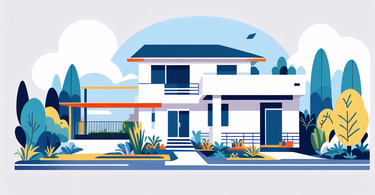
Enhancing Your Home's Curbside Appeal with Stylish Garden Beds
Assessing Your Exterior for Impact
Step back and look at your home from the street. What catches your eye? Note any bare or dull areas. These spots are perfect for new garden beds. Think about your home's style and the neighborhood. This will guide your choices for liners and planters. Look for sunny spots that are easy to see. These make great locations for eye-catching garden beds. Check for issues like poor drainage or bad soil. Fix these problems first. It will help your new beds thrive. Consider the shape of your yard. Curved beds can soften sharp corners. Straight beds can add structure to a flowing landscape. Aim for a balanced look that draws the eye. Don't forget to think about all seasons. Your garden should look good year-round.

Balancing Aesthetics and Functionality in Garden Design
Create garden beds that are both beautiful and practical. Choose plants that suit your climate and soil. This helps them grow with less fuss. Mix different heights, colors, and textures. It makes your garden more interesting. But be careful. Tall plants shouldn't block shorter ones. Plan for year-round appeal. Add some evergreens for winter color. Keep maintenance in mind. Don't make beds that are hard to care for. Use liners to keep soil in place and make weeding easier. Pick planters that match your home's style. Make sure they're the right size for your plants. Think about watering needs. Is there a water source nearby? You might need to add one. A good design looks great and is easy to care for.
Seasonal Considerations for Garden Bed Liners and Planters
Your garden should shine in every season. Choose liners that can handle weather changes. Some may crack in cold temps. Others might fade in strong sun. For planters, think about how they'll look with and without plants. Empty winter planters can still be attractive. Plan for seasonal plant changes. Spring bulbs can give way to summer flowers. Then, add fall mums. Use evergreen shrubs as a constant backdrop. This keeps beds full when other plants die back. Don't forget about water needs as seasons change. Some liners and planters may need extra drainage for rainy times. In dry seasons, you might need to water more. Add mulch to keep moisture in during hot months. In fall, clear out dead plants to keep beds tidy.
Choosing the Right Liners and Planters for Your Garden Beds
Understanding the Role of Liners in Garden Bed Maintenance
Garden bed liners do more than look nice. They have important jobs. Liners stop soil from washing away. This is great for sloped areas. They keep your garden beds neat and tidy. Liners also block weeds from growing up. This means less time pulling weeds. Some liners help water drain in clay soil. Others hold water in sandy soil. Choose liners based on what you need. Plastic liners are cheap but may not last long. Fabric liners let roots grow through. Stone or concrete liners last long but cost more. Think about how easy the liner is to install. Also, consider how much care it needs. The right liner can make your garden easier to manage. It can also make your beds look better for longer.

Selecting Statement Planters That Complement Your Home
Statement planters can be the stars of your garden beds. They should enhance your home's look, not clash with it. For modern homes, try sleek, simple planters. Older homes look great with classic pots or urns. Think about your space when picking planters. Too small, and they'll get lost. Too big, and they'll overwhelm the area. Materials matter too. Stone planters are heavy but durable. Lightweight planters can mimic other materials. They're great for balconies or upper floors. Color is important too. Bright planters can add pop to plain homes. Subtle colors work well with colorful houses. Consider how planters will look as plants grow. Will they still be visible? Make sure they fit your overall garden plan.
Tips for Maintaining Your Liners and Planters
Good care keeps liners and planters looking great for years. Clean them often to stop dirt buildup. This helps you spot damage early too. For liners, check for tears after heavy rain. Fix any shifts in position. Some may need yearly replacement. Planters need good drainage to avoid water damage. Make sure drain holes aren't blocked. In winter, lift planters off the ground. This stops them from cracking in freezes. Empty ceramic planters in cold climates. Water inside can expand and break them. Paint or seal wooden planters every few years. This stops rot. Always use the right soil for your planters. It helps with drainage and plant health. Check your liners and planters in spring and fall. Fix any winter damage in spring. In fall, prepare them for cold weather.
Advanced Techniques for Outdoor Remodeling Success
Integrating Garden Beds with Overall Landscaping
Garden beds should fit with your whole yard design. They shouldn't look out of place. Use shapes that match your home's style. This creates a unified look. Think about how beds work with other yard features. Consider paths, sitting areas, and existing plants. Use garden beds to define spaces or guide walking. Repeat shapes or colors to tie different areas together. Don't forget about night lighting. Good lights can make garden beds look great after dark. Use tall plants or structures in beds for privacy. Plan for how plants will grow over time. This helps avoid overcrowding later. Think about views from inside your home too. Place colorful or interesting plants where you can see them from windows.

Troubleshooting Common Issues in Garden Bed Installation
Even with good planning, problems can happen. Be ready to fix common issues. Poor drainage is a frequent problem. If water pools in beds, add more drainage material. You might need to slope the ground differently. Bad soil can slow plant growth. Test your soil and add what it needs. Sometimes, plants don't grow well where you put them. Be ready to move them to better spots. Pests can quickly ruin a beautiful bed. Use safe pest control methods as needed. Overgrown plants can make beds look messy. Trim and divide plants regularly. If liners move or bulge, they may need fixing or replacing. Don't be afraid to change things if they're not working. Keep watching your garden and adjust as needed.
Case Studies: Successful Garden Bed Makeovers in the United States
Real examples can inspire your own garden plans. In Seattle, a homeowner fixed a dull front yard. They used raised beds with stone edges to fix poor soil. Drought-tough plants saved water. In Florida, someone made a tropical paradise. They used big, colorful planters to add height. Palms and bright flowers loved the warm weather. A New England home added charm with flower beds. They lined beds with old bricks to match the house. Different flowers bloomed all year. In Arizona, rock gardens with cactus-filled pots saved water. The design looked like the desert around it. These stories show how garden beds can solve problems. They also make homes look great in different parts of the country. Each case used local plants and smart design to create beautiful, easy-care gardens.