

Understanding the Role of Garden Fences in Landscaping
The Aesthetic Value of Garden Fences
Garden fences are more than just barriers. They add charm and style to your outdoor space. A well-chosen fence can enhance your garden's beauty. It can create a stunning backdrop for your plants and flowers. Fences can also define different areas in your garden. They can make your space feel more organized and purposeful. Some fences even become focal points themselves. With the right design, your fence can be a work of art in your garden.
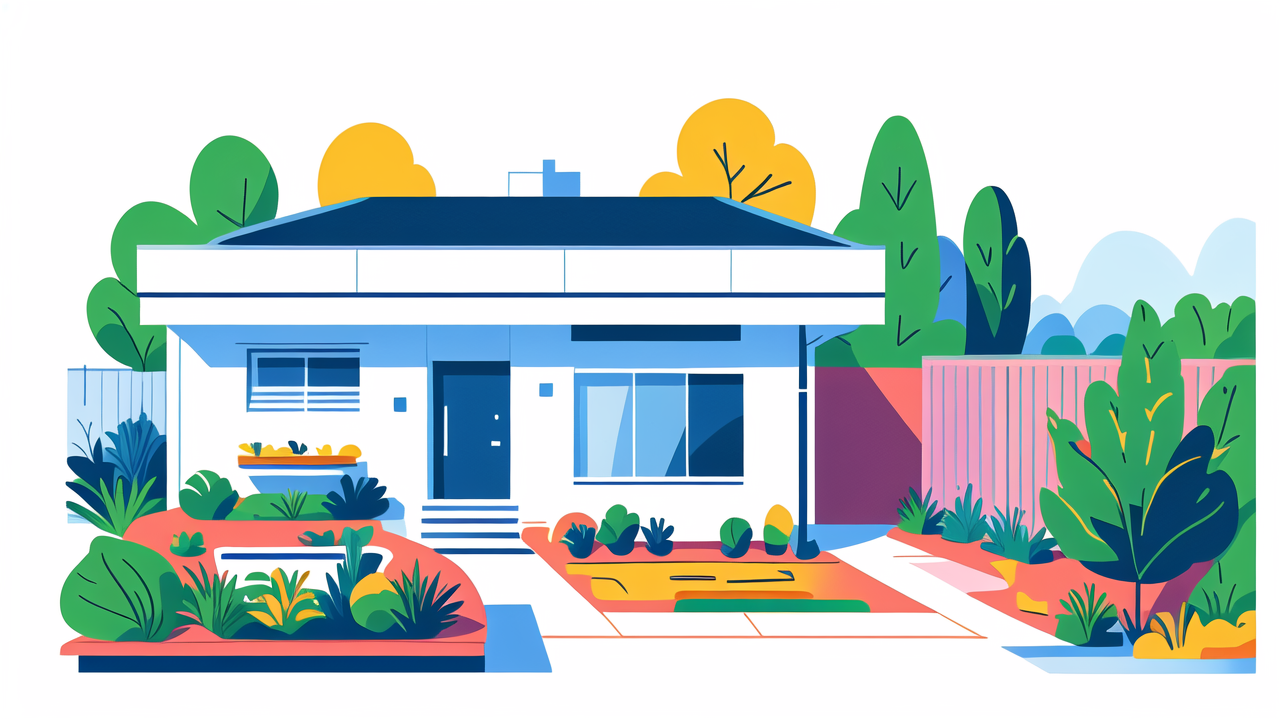
Functional Benefits of Having a Garden Fence
Garden fences serve many practical purposes. They provide privacy, keeping prying eyes away from your outdoor activities. Fences also offer security, keeping pets and children safe within your yard. They can protect your garden from wildlife that might eat your plants. In windy areas, fences act as windbreaks, shielding delicate plants. They can also reduce noise from nearby roads or neighbors. Fences can support climbing plants, adding vertical interest to your garden.
Compliance and Standards in the United States
Before installing a garden fence, check local rules. Many areas have specific fence regulations. These may limit fence height, material, or placement. Some neighborhoods require permits for new fences. Historic districts often have strict guidelines to preserve their character. Check with your local zoning office or homeowners association. They can provide information on fence regulations in your area. Following these rules ensures your fence is legal and avoids future issues.
Top Garden Fence Materials and Designs
Wooden Fences: Tradition and Durability
Wooden fences are a classic choice for gardens. They offer a natural look that blends well with outdoor spaces. Wood is versatile and can be painted or stained to match your style. Popular wood types include cedar, pine, and redwood. These woods resist rot and insects. Wooden fences come in many styles:
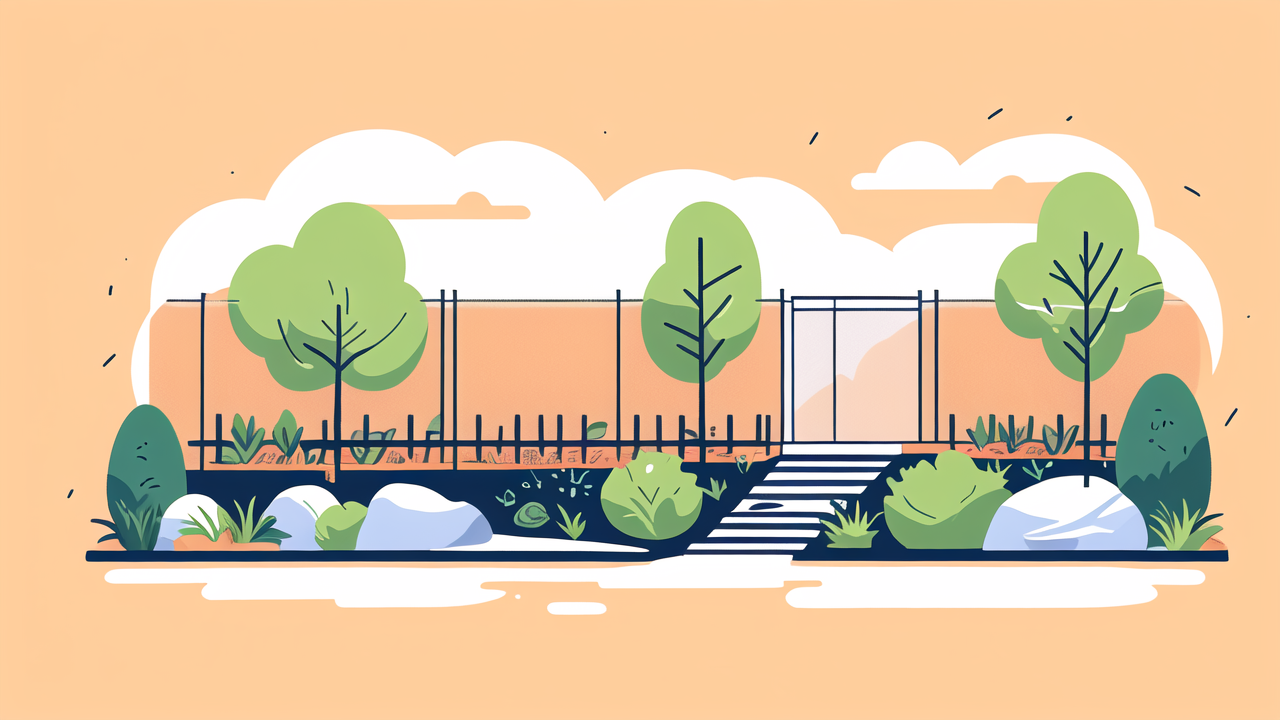
- Picket fences for a charming, cottage look
- Privacy fences for seclusion
- Split-rail fences for a rustic feel
With proper care, wooden fences can last many years. Regular sealing or staining protects the wood from weather damage.
Metal Fences: Modern and Versatile
Metal fences offer durability and style. They require less maintenance than wood. Common metal fence types include:
- Wrought iron for an elegant, classic look
- Aluminum for a lightweight, rust-resistant option
- Steel for maximum strength and security
Metal fences can be ornate or simple. They work well in modern and traditional gardens. Many metal fences are powder-coated for extra protection. This coating comes in various colors to suit your garden's design.
Eco-Friendly Fencing Options: Sustainability in the Garden
Eco-friendly fences are gaining popularity. These options reduce environmental impact. Some sustainable fence choices include:
- Bamboo fences, which grow quickly and are renewable
- Recycled plastic fences, durable and low-maintenance
- Living fences made from hedges or vines
These options often require less energy to produce. They can also enhance your garden's natural feel. Living fences provide habitat for wildlife. They can improve air quality and reduce noise pollution.
Advanced Installation and Maintenance Tips
Best Practices in Fence Installation
Proper installation is key to a long-lasting fence. Start by marking your property line accurately. Check for underground utilities before digging. Set fence posts deep enough for stability. Use concrete for extra support in areas with high winds. Ensure your fence is level and plumb. Leave small gaps between boards for wood expansion. For metal fences, use rust-resistant hardware. Consider hiring a professional for complex installations.

Maintenance Tips for Long-Lasting Garden Fences
Regular maintenance extends your fence's life. For wooden fences, inspect annually for rot or insect damage. Clean with a mild detergent and soft brush. Apply a new coat of sealant or stain every few years. Metal fences need less care. Wash them occasionally to remove dirt. Touch up any scratches to prevent rust. Tighten loose bolts or brackets. For all fences, trim nearby plants to prevent overgrowth. Fix any damage promptly to avoid bigger problems.
Troubleshooting Common Garden Fence Issues
Even well-maintained fences can have issues. Here are some common problems and solutions:
- Leaning fence: Check for rotted posts or loose soil. Replace posts or add support.
- Warped boards: Remove and replace warped wood. Ensure proper spacing for expansion.
- Rust on metal fences: Sand off rust and apply rust-resistant paint.
- Gaps in the fence: Add boards or mesh to close gaps.
- Fading color: Clean and repaint or restain the fence.
Regular checks help catch problems early. Address issues quickly to keep your fence in top shape. With proper care, your garden fence will enhance your outdoor space for years to come.