

Understanding Fence Lattice Panels and Their Impact on Garden Aesthetics
What Are Fence Lattice Panels?
Fence lattice panels are decorative structures used in garden design. They consist of crisscrossed strips of wood, metal, or plastic. These panels create a grid-like pattern with openings.

Lattice panels serve both functional and aesthetic purposes in gardens. They can be installed on top of existing fences or used as standalone features. Their versatility makes them popular among homeowners and landscapers.
Lattice panels come in various styles and sizes. Some have diagonal patterns, while others feature square or diamond shapes. The design you choose can greatly impact your garden's look.
The Role of Fence Lattice in Garden Design
Fence lattice panels play a crucial role in garden design. They add visual interest and texture to outdoor spaces. Lattice can break up the monotony of solid fences or walls.
These panels can create a sense of depth in your garden. They allow partial views through their openings. This can make small spaces feel larger and more open.
Lattice panels also serve as support structures for climbing plants. They can transform plain fences into lush, green walls. This adds natural beauty to your garden while enhancing privacy.
Visual Appeal and Functionality
Fence lattice panels offer a perfect blend of visual appeal and functionality. They create a charming, cottage-style look that many homeowners love. The openwork design adds a touch of elegance to any garden.
From a functional standpoint, lattice panels provide partial privacy. They allow light and air to pass through while still obscuring direct views. This makes them ideal for creating secluded areas without feeling closed in.
Lattice can also help define different zones in your garden. Use them to separate seating areas or create backdrop for flower beds. Their versatility allows for creative use in various garden layouts.
Selecting the Right Fence Lattice Panels for Your Garden
Assessing Material Quality and Durability
When choosing fence lattice panels, material quality is key. Common materials include wood, vinyl, and metal. Each has its own benefits and drawbacks.

Wood lattice offers a natural look but requires regular maintenance. It needs sealing or painting to prevent rot and insect damage. Cedar and redwood are popular choices due to their natural resistance to decay.
Vinyl lattice is low-maintenance and weather-resistant. It doesn't rot, fade, or require painting. However, it may not have the same charm as wood for some gardeners.
Metal lattice, often made of aluminum or wrought iron, is highly durable. It can withstand harsh weather conditions. Metal offers a sleek, modern look but may be more expensive.
Matching Lattice Designs with Your Garden Theme
Choosing the right lattice design is crucial for cohesive garden aesthetics. Consider your garden's overall theme and style when selecting patterns.
For traditional gardens, classic square or diamond patterns work well. These timeless designs complement formal landscaping and architecture.
Modern or contemporary gardens may benefit from unique lattice designs. Look for panels with asymmetrical patterns or unconventional materials.
Cottage-style gardens pair beautifully with wooden lattice in natural tones. This creates a rustic, charming atmosphere that enhances the informal feel.
Considerations for Installation and Maintenance
Proper installation is key to the longevity of your fence lattice panels. Consider hiring a professional if you're not confident in your DIY skills.
For wooden lattice, ensure proper spacing between the ground and panel bottom. This prevents moisture damage and rot. Use weather-resistant screws or nails for secure attachment.
Vinyl and metal lattice often come with specific mounting hardware. Follow manufacturer instructions carefully for best results.
Regular maintenance will keep your lattice looking great. Clean wooden lattice annually and reapply sealant or paint as needed. Vinyl and metal panels may only require occasional cleaning with soap and water.
Maximizing the Effectiveness of Fence Lattice in Garden Privacy
Best Practices for Arrangement and Spacing
To maximize privacy, consider the arrangement and spacing of your lattice panels. Overlapping panels can create a denser screen while maintaining airflow.
Experiment with different panel orientations. Vertical lattice tends to provide more privacy than horizontal designs. Diagonal patterns can offer a good balance of privacy and openness.
Don't forget about panel height. Taller lattice naturally provides more privacy. However, check local regulations regarding fence heights before installation.
Consider combining lattice with solid fencing for ultimate privacy. Use lattice on the upper portion of your fence to allow light while blocking direct views.
Strategic Positioning for Optimal Privacy
Strategic placement of fence lattice panels is crucial for privacy. Identify the areas in your garden that need the most screening.
Focus on creating privacy around seating areas and patios. These are spaces where you'll spend the most time outdoors.
Use lattice to block views from neighboring windows or street level. Angle panels slightly if needed to obstruct specific sight lines.
Remember that privacy works both ways. Position lattice to also block your view of less attractive neighboring features.
Innovative Ideas for Combining Fence Lattice with Other Garden Features
Get creative with your lattice use for enhanced privacy and beauty. Combine lattice panels with climbing plants for a living privacy screen.
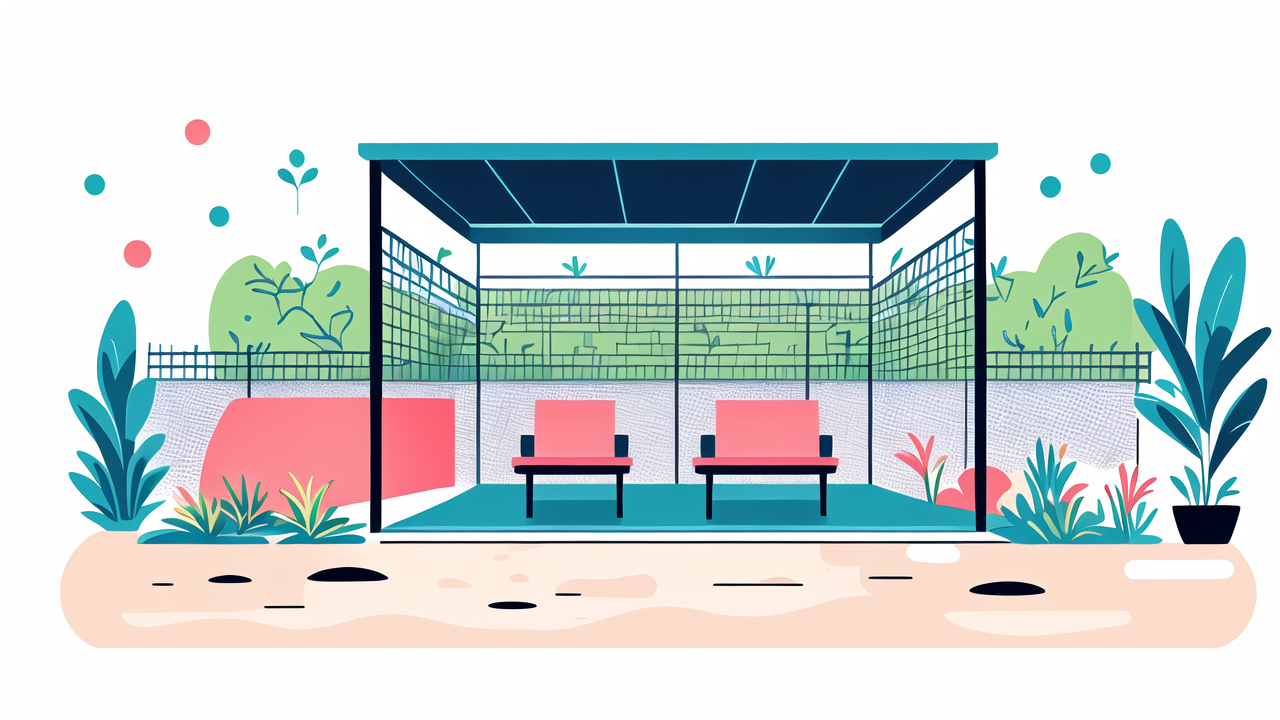
Create a lattice archway or pergola for an enclosed seating area. This provides overhead privacy from multi-story neighboring buildings.
Use freestanding lattice panels to create movable privacy screens. These can be repositioned as needed for flexible garden layouts.
Consider incorporating lattice into other garden structures like sheds or gazebos. This creates a cohesive look throughout your outdoor space.
By following these guidelines, you can effectively use fence lattice panels to enhance your garden's privacy and aesthetics.