

Understanding the Importance of Garden Fences in the United States
Assessing Your Garden's Needs
Garden fences are vital for American homeowners. They define space and add security to your outdoor area. Before choosing a fence, assess your garden's needs. Consider factors like size, climate, and local wildlife.
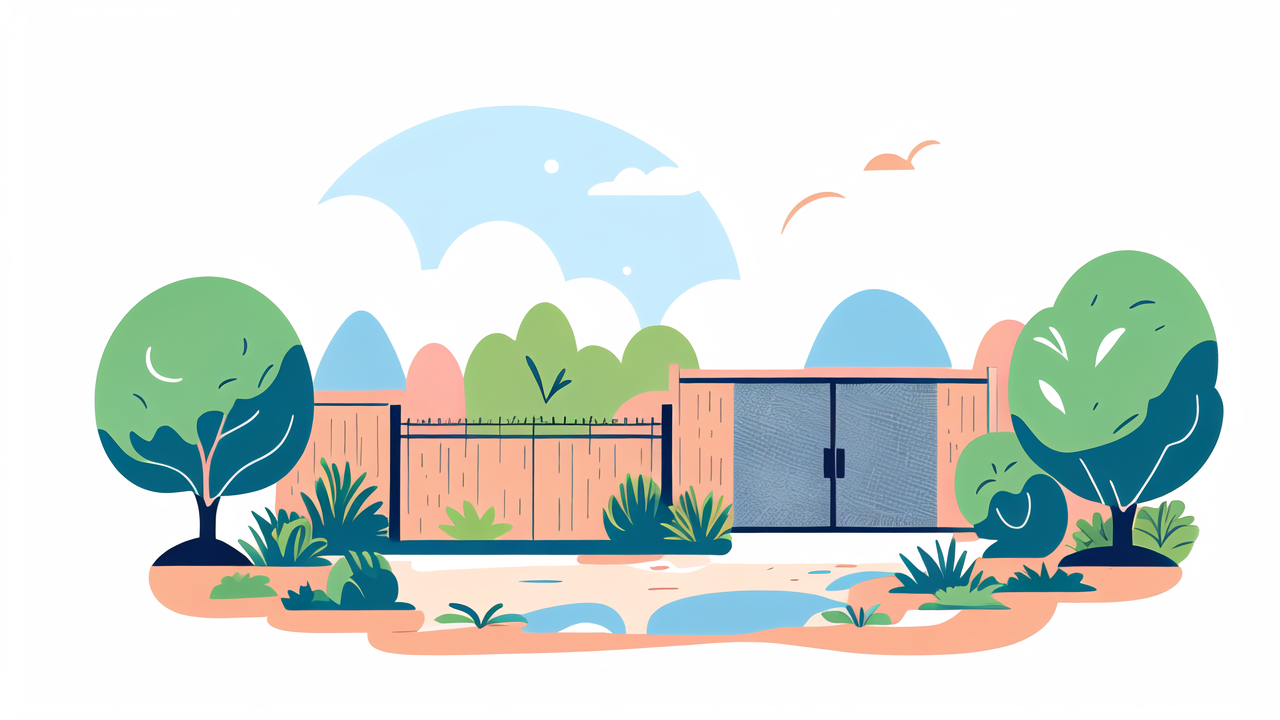
Think about your garden's purpose. Do you want privacy, or just to mark boundaries? Are you trying to keep pets in or pests out? Your answers will guide your fence choice. For example, a tall wooden fence offers privacy, while a low picket fence is more decorative.
Climate plays a big role too. In windy areas, you might need a sturdy fence. In rainy regions, consider materials that resist rot. Don't forget to check local laws. Some areas have rules about fence height and style.
The Role of Fences in Aesthetic and Functional Design
Fences do more than just serve a purpose. They can enhance your garden's look. A well-chosen fence can be a beautiful backdrop for plants. It can also create a cozy, enclosed feeling in your outdoor space.
Functionally, fences can solve many garden problems. They can block unsightly views or create shade for plants. Fences can also act as windbreaks, protecting delicate flowers. Some fences even serve as supports for climbing plants.
Consider how your fence will work with your overall garden design. A rustic wood fence might suit a cottage garden. For a modern look, try sleek metal or composite materials. The right fence can tie your whole garden theme together.
Selecting the Right Garden Fence Materials and Contractors
Comparing Different Fence Materials for Durability and Maintenance
Choosing the right fence material is crucial. Each type has its pros and cons. Wood is classic and versatile, but needs regular maintenance. Vinyl is low-maintenance but can look artificial. Metal is durable but may rust over time.

Here's a quick comparison of common fence materials:
- Wood: Natural look, affordable, needs regular painting or staining
- Vinyl: Low maintenance, wide color range, can fade over time
- Metal: Strong, long-lasting, may require rust prevention
- Composite: Eco-friendly, low maintenance, can be pricey
Consider your budget and how much time you can spend on upkeep. A pricier option might save money in the long run if it needs less maintenance. Also, think about how the material will age. Some fences look better with time, while others may deteriorate quickly.
How to Choose a Professional Fence Installer
Picking the right contractor is as important as choosing the right fence. A good installer ensures your fence lasts for years. Start by asking for recommendations from friends or neighbors. Look for contractors with good reviews and proper licenses.
Get quotes from at least three different contractors. Compare not just prices, but also the scope of work. Ask about warranties and what happens if there are issues after installation. A reputable contractor will be happy to answer your questions.
Check if the contractor is familiar with local regulations. They should handle permits if needed. Ask about their experience with your chosen fence type. A contractor who specializes in wood fences might not be the best for a metal fence.
Innovative Garden Fence Ideas to Maximize Space and Aesthetics
Creative Designs for Small Garden Spaces
Small gardens need clever fence ideas to make the most of limited space. Vertical gardens are a great option. Use your fence to support climbing plants or hanging planters. This adds greenery without taking up ground space.
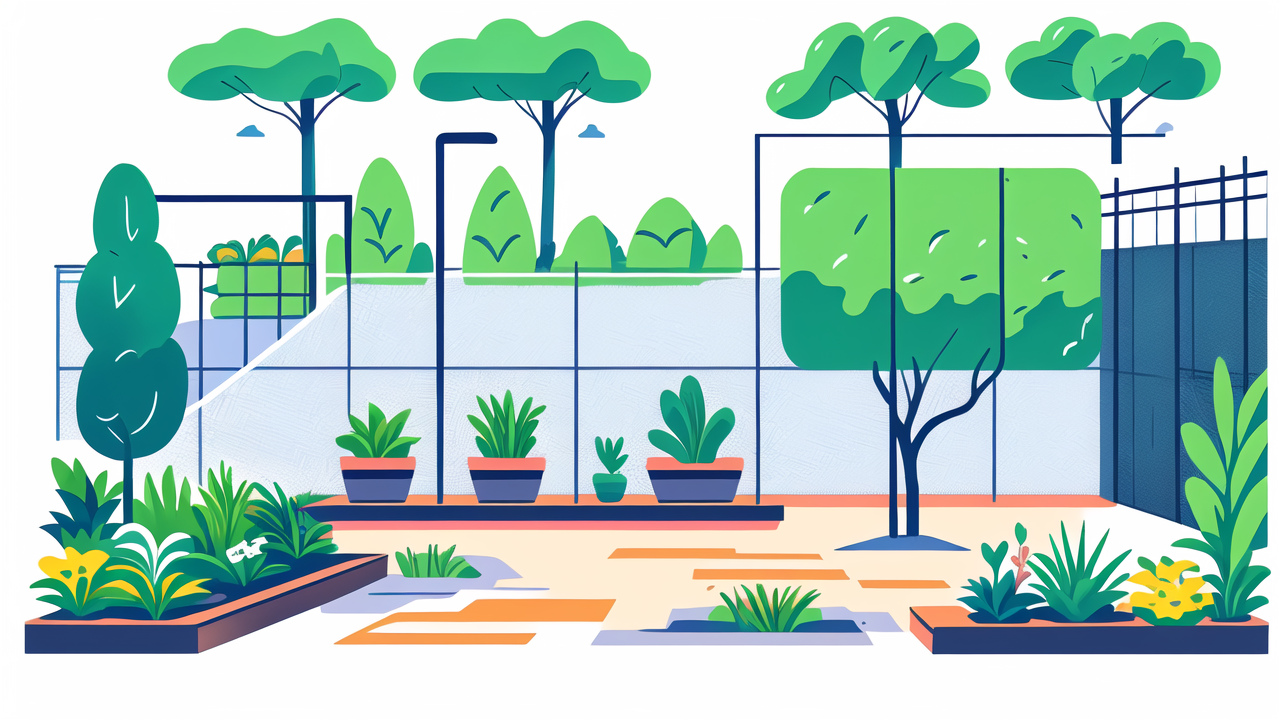
Consider see-through fences for small areas. They create boundaries without making the space feel closed in. Options include lattice fences or even living fences made of plants. These can make your garden feel larger and more open.
Multi-functional fences work well in small gardens. Try a fence with built-in shelves for plants or garden tools. Or use a fence as a backdrop for a small seating area. These ideas help you use every inch of your garden effectively.
Integrating Fences with Tiered Beds and Planters
Combining fences with tiered beds and planters can transform your garden. Tiered beds add depth and interest to flat spaces. They also create more planting area in small gardens. Attach planters to your fence to add even more growing space.
Here are some ideas to try:
- Use your fence as a backdrop for raised beds at different heights
- Hang colorful planters on your fence to create a living wall
- Build a step-like structure against your fence for a cascading plant display
- Incorporate built-in planters into your fence design
These combinations not only look great but also maximize your growing space. They turn your fence from a simple boundary into a key part of your garden design. With creativity, your fence can become a stunning feature in your thriving garden.