
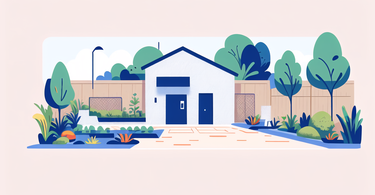
Understanding the Appeal of Tree Fences
Benefits of Tree Fences in Outdoor Design
Tree fences offer a natural and attractive way to create privacy in your outdoor space. They blend seamlessly with the landscape, adding a green touch to your yard. These living barriers provide shade and can help reduce noise from nearby streets or neighbors.

Tree fences improve air quality by filtering pollutants and producing oxygen. They create homes for birds and small animals, making your garden more lively. Unlike regular fences, tree fences change with the seasons, adding interest to your outdoor area.
These natural barriers can boost your property value and curb appeal. They look softer and more inviting than harsh wooden or metal fences. You can shape and trim tree fences to fit your design needs, allowing for creative landscaping options.
Tree Fences vs. Traditional Fencing: Pros and Cons
Tree fences have several advantages over traditional fencing. They often look better and can last for decades with proper care. They provide natural cooling and can help lower energy costs. However, they need more care and take time to reach full height.
Traditional fences offer immediate privacy and security. They're usually cheaper to install and need less upkeep. But they can look plain and may need replacing after a few years. They don't provide the environmental benefits that living fences do.
Tree fences may not work well in all climates or soil types. They can also grow into neighboring properties if not managed well. Traditional fences are more predictable in size and shape, making them easier to plan around.
Choosing the Right Tree Fence for Your Home
Key Features to Look for in a Tree Fence
When picking a tree fence, think about how fast the trees grow and how big they'll get. Fast-growing trees give quicker privacy but may need more trimming. Look for trees that suit your local weather and soil. Choose types that resist disease and are easy to care for.

Consider how thick the leaves are for your privacy needs. Evergreen trees block views all year, while deciduous trees let more light in during winter. Think about root systems to avoid damaging nearby buildings or pipes. Some trees can spread quickly, so do your research.
The look of the tree fence is also important. Choose trees that match your home's style and overall yard design. Consider trees with pretty flowers or fall colors for added beauty. Remember, your tree fence will be a long-term part of your property.
Comparing Different Types of Tree Fences
Evergreen trees like arborvitae and Leyland cypress are popular for tree fences. They provide privacy all year and grow fast. These trees form thick barriers but may look unnatural if not trimmed well. They can get certain diseases and pests.
Deciduous trees like beech or hornbeam give a more natural look. They provide privacy in summer and let light through in winter. These trees often have beautiful fall colors, adding seasonal interest to your yard. They usually need less trimming than evergreens.
Flowering trees such as magnolia or cherry can create stunning displays in season. They offer privacy and beauty but may not block views all year. Fruit trees can be both a fence and a food source, but they need more care.
Factors Affecting the Cost and Installation of Tree Fences
The cost of a tree fence depends on the type of tree, its size, and how many you need. Bigger, mature trees cost more but give instant results. Smaller young trees are cheaper but take years to grow. Think about long-term care costs when planning your budget.
Installation costs vary based on ground prep, planting method, and labor costs. Planting yourself can save money, but professional planting ensures it's done right. Improving soil, adding watering systems, and staking trees add to costs but help trees grow better.
Ongoing care affects long-term costs. Some trees need regular trimming, feeding, and pest control. Others are easy to care for once they're established. Think about possible costs for removing trees if they die or get too big.
Best Tree Fences in the United States
Top-Rated Tree Fences and Their USP
- Thuja Green Giant: Grows fast, resists disease, adapts to many soil types.
- Leyland Cypress: Grows quickly, has dense leaves, tolerates poor soil and coastal areas.
- American Holly: Stays green year-round, has red berries, good for wildlife, grows in shade.
- Emerald Green Arborvitae: Compact size, great for small spaces, easy to care for.
- Skip Laurel: Stays green all year, grows in shade, has fragrant flowers, deer don't eat it.
These options offer a mix of growth speeds, care needs, and looks. Choose based on your needs and local growing conditions.

Innovative Tree Fence Solutions: A Closer Look
Espalier techniques create flat, space-saving tree fences. This method trains trees to grow in specific patterns along a support. It's great for small yards or modern designs. Apple trees and pyracantha work well for this.
Living walls or vertical gardens offer new fence options. These use various plants to create dense, textured barriers. They can include flowers, ferns, and even edible plants. Living walls need special watering and support systems.
Pleached trees form a canopy above a clear trunk, creating a unique screen. This works well with hornbeam, beech, and lime trees. It offers privacy while keeping an open feel at ground level.
How to Maintain Your Tree Fence for Longevity
Regular trimming is key to keeping tree fences shaped and dense. Timing varies by tree type, but most benefit from yearly trimming. Remove dead or sick branches quickly to stop problems from spreading.
Watering is crucial, especially for newly planted trees. Deep, less frequent watering helps roots grow strong. Mulching keeps moisture in and stops weeds. Don't pile mulch against tree trunks to prevent rot.
Fertilize as needed based on soil tests and tree types. Too much fertilizer can cause weak growth. Watch for pests and diseases regularly. Catching problems early can prevent big issues.
Protect trees from damage by lawn mowers or wildlife. Use guards for young trees if deer are a problem. In winter, be careful with ice-melting salts near tree fences. Some trees can be hurt by salt.