
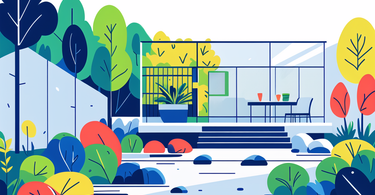
Understanding Drought-Friendly Garden Design
Identifying Drought-Resistant Plants for Your Climate
Choosing the right plants is key to a water-wise garden. Look for native species that thrive in your area. These plants are already adapted to local conditions. Succulents are great for dry climates. They store water in their leaves and stems. Consider plants like lavender, sage, and rosemary. These herbs are both beautiful and drought-tolerant. Ornamental grasses add texture and need little water. For flowers, try coneflowers or black-eyed susans. These bloom brightly with minimal watering. In very dry areas, cacti can be a stunning choice. Remember, even drought-resistant plants need care when first planted. Water them regularly until they're established. Check with local nurseries for advice on the best options for your region.

The Science of Water Retention in Soils
Soil plays a crucial role in water conservation. Sandy soils drain quickly, while clay retains water. The ideal soil is a mix of sand, silt, and clay. This balance helps retain moisture without waterlogging. Adding organic matter improves soil structure. It acts like a sponge, holding water for plants. Mulching is another effective technique. It reduces evaporation from the soil surface. A layer of mulch also keeps soil cool and suppresses weeds. Consider using porous materials in your landscape. These allow water to seep into the ground, reducing runoff. Understanding your soil type helps in planning efficient irrigation. Test your soil to know what improvements it might need. Good soil management is the foundation of a drought-resistant garden.
Seasonal Trends in the United States for Garden Planning
Garden planning should account for seasonal changes across the U.S. Spring often brings more rain in many regions. This is a good time to establish new plants. Summer can be hot and dry, especially in the West and Southwest. Plan for extra water needs during this time. Fall is ideal for planting in many areas. Cooler temperatures and occasional rain help plants settle in. Winter varies greatly across the country. In colder areas, focus on protecting plants from frost. In warmer regions, winter can be a growing season. Adjust your watering schedule with the seasons. Use less water in cooler months when plants grow slowly. Be prepared for regional weather patterns that might affect your garden. Plan your garden layout to make the most of natural rainfall patterns.
Innovative Water Saving Techniques in Landscaping
Harnessing Natural Rainwater Harvesting Systems
Rainwater harvesting is a smart way to conserve water. It involves collecting and storing rainwater for later use. Simple systems can be as easy as placing rain barrels under gutters. More complex setups might include underground tanks. The collected water can be used for irrigation during dry spells. This reduces reliance on municipal water supplies. It's especially useful in areas with seasonal rainfall. Ensure your system has proper filtration to remove debris. Consider the slope of your land when planning collection points. Some areas may require permits for large-scale harvesting. Even small systems can make a big difference in water conservation. Rainwater is also free from chemicals, making it great for plants. It's a sustainable way to support your garden during dry periods.

Implementing Smart Irrigation Solutions
Smart irrigation systems can drastically reduce water waste. These systems use sensors to monitor soil moisture. They adjust watering schedules based on weather conditions. Some can be controlled via smartphone apps. This allows for remote management of your garden's water needs. Drip irrigation is another efficient method. It delivers water directly to plant roots, minimizing evaporation. Soaker hoses work well for garden beds and borders. Consider using timers to water early in the morning. This reduces water loss through evaporation. Group plants with similar water needs together. This makes it easier to target irrigation effectively. Regular maintenance of your irrigation system prevents leaks and waste. Smart irrigation ensures your plants get just the right amount of water.
Using Aeration and Composting to Improve Water Absorption
Aeration and composting improve soil health and water retention. Aeration involves creating small holes in the soil. This allows air, water, and nutrients to penetrate the root zone. It's especially helpful for compacted soils. Aerate your lawn and garden beds annually for best results. Composting adds organic matter to the soil. This improves its structure and ability to hold water. Use kitchen scraps and yard waste to make compost. Apply a layer of compost to your garden beds each spring. This acts as a slow-release fertilizer and improves moisture retention. Healthy soil needs less frequent watering and supports stronger plants. Both techniques help create a more resilient garden ecosystem. They reduce the need for artificial fertilizers and frequent watering.
Case Studies and Best Practices
Profiling Successful Drought-Smart Garden Projects
Many communities have embraced drought-smart gardening with great success. In California, a neighborhood replaced lawns with native plants. This led to a 60% reduction in water use. The new landscape is beautiful and low-maintenance. In Arizona, a community garden thrives using only rainwater. They collect water from nearby rooftops to support their plants. A Texas school created an educational drought-resistant garden. It teaches students about water conservation and native plants. These projects show that water-wise gardens can be stunning. They often become community focal points, inspiring others to adopt similar practices. Each project demonstrates the potential for significant water savings without sacrificing beauty. They prove that drought-smart gardens can thrive in various climates and settings.

The Role of Drought-Resistant Design in Sustainable Gardening
Drought-resistant design is key to sustainable gardening. It focuses on creating landscapes that need minimal irrigation. This approach often mimics natural ecosystems. It uses plants that are adapted to local conditions. Proper plant placement is crucial. Group plants with similar water needs together. This prevents overwatering some while underwatering others. Incorporate hardscaping elements like rocks or gravel. These can be attractive and require no water. Create shade to reduce water evaporation from the soil. Use trees or structures to protect sensitive plants. This design philosophy not only saves water but also reduces maintenance needs. It creates gardens that are in harmony with their environment. Drought-resistant design is about working with nature, not against it.
Expert Tips for Maintenance and Long-Term Water Savings
Experts recommend regular maintenance for water-efficient gardens. Prune plants to promote healthy growth and reduce water needs. Check irrigation systems for leaks or blockages. Adjust sprinklers to avoid watering paved areas. Apply mulch annually to retain soil moisture. Water deeply but less frequently to encourage deep root growth. This makes plants more drought-resistant. Monitor your garden for signs of stress during dry periods. Some plants may need extra care during extreme conditions. Consider replacing high-maintenance plants with more drought-tolerant options. Keep learning about new water-saving techniques and technologies. Small changes can lead to significant long-term water savings in your garden. Regular soil tests can help you maintain optimal growing conditions. Remember, a well-maintained garden is more resilient to drought and other stresses.