

The Intersection of Functionality and Aesthetics in Garden Fencing
Understanding the Role of Fences in Garden Design
Garden fences serve multiple purposes in outdoor spaces. They provide privacy, security, and define boundaries. Fences also act as windbreaks and create microclimates for plants. In design, they can be focal points or backdrops for landscaping. Modern fences come in various materials, from wood to metal to composite. Each material offers unique benefits and aesthetic appeal. Designers now view fences as integral parts of garden aesthetics, not just functional elements. They consider how fences interact with plants, hardscaping, and overall garden themes. The right fence can enhance a garden's style, be it rustic, modern, or traditional.
Exploring the Aesthetic Appeal of Vertical Planters
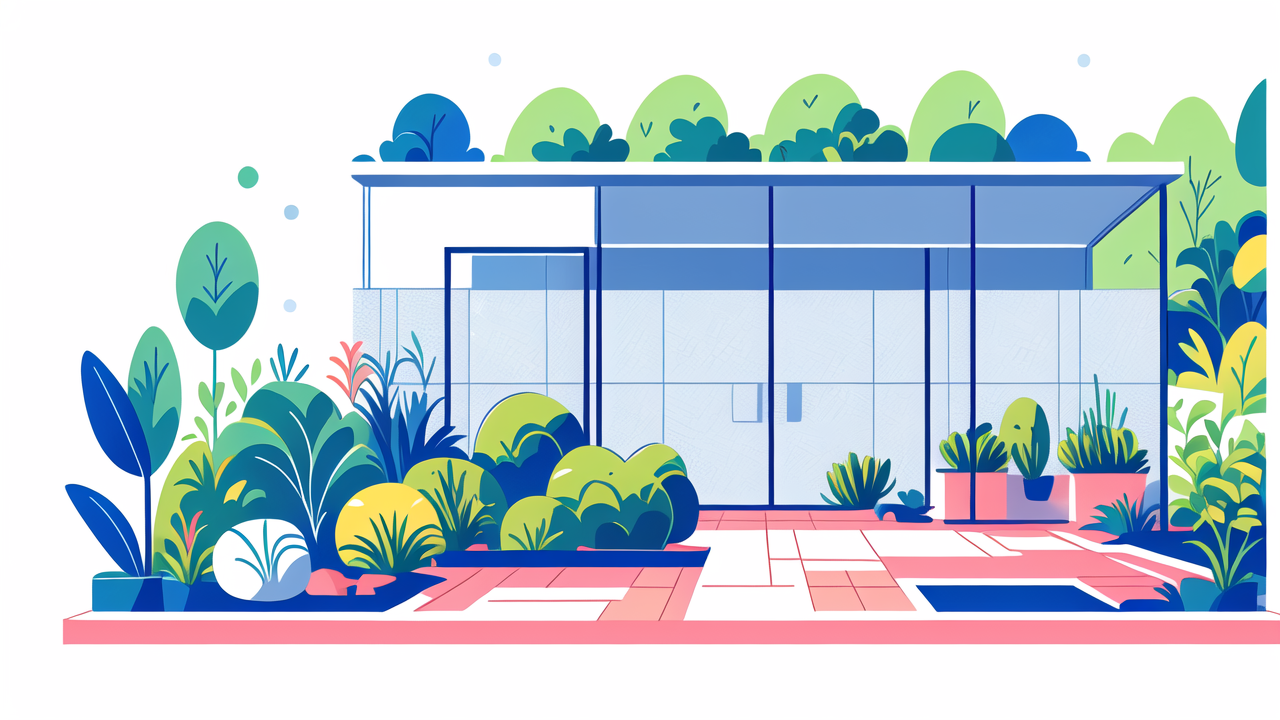
Vertical planters have gained popularity in garden design. They maximize space usage, especially in small gardens or urban settings. These planters add depth and dimension to vertical surfaces. They turn plain walls or fences into living, green features. Vertical planters come in many forms, from pocket planters to modular systems. They can host a variety of plants, from succulents to herbs to flowering vines. The visual impact of vertical planters is striking. They create eye-catching displays of color, texture, and movement. In garden design, vertical planters offer creative solutions for challenging spaces. They can soften hard edges, cover unsightly areas, or create privacy screens.
Strategies for Incorporating Vertical Planters into Garden Fencing
Designing a Visual Dynamic: Contrasting Planters and Fences
Integrating vertical planters with garden fences creates visual interest. The key is to strike a balance between the fence and the planters. Consider the fence material when choosing planter types. Wood fences pair well with natural materials like terracotta or woven planters. Metal fences can complement sleek, modern planter designs. Play with contrast in colors and textures. A dark fence can highlight bright, colorful plants. Alternatively, green vines can soften a stark white fence. Think about the rhythm of placement. Evenly spaced planters create a formal look. Clustered or asymmetrical arrangements feel more casual and organic. Use planters to break up long stretches of fencing. This adds visual breaks and points of interest along the fence line.

Balancing Form and Function in Garden Fencing Solutions
When combining fences and vertical planters, consider practical aspects. Ensure the fence can support the weight of planters and plants. Some fences may need reinforcement or special mounting systems. Think about water drainage and soil retention in vertical planters. Choose plants that suit the light conditions along the fence. Consider maintenance needs when designing your integrated system. Easy access for watering and pruning is crucial. Plan for plant growth and how it will interact with the fence over time. Some plants may need trellises or support systems built into the fence. Balance the density of plantings with the desired level of privacy or openness. Remember that plants will change with seasons, affecting the overall look and function of the fence.
Case Studies: Successful Garden Fence and Planter Integration
Analyzing Impactful Garden Design Projects
Several garden projects showcase innovative fence and planter integrations. One urban garden transformed a plain wooden fence into a vertical herb garden. They used a series of mounted gutter planters to maximize space. Another project featured a metal grid fence with removable planter boxes. This design allowed for easy rearrangement and seasonal changes. A coastal garden used weathered wood fencing with built-in succulent pockets. This created a drought-resistant, low-maintenance living wall. A modern home integrated sleek metal planters into a minimalist fence design. The result was a seamless blend of greenery and architectural elements. These projects demonstrate how fences can become active parts of the garden ecosystem.

Lessons Learned from Garden Fencing Innovations
Successful fence and planter integrations offer valuable insights. Flexibility is key in design. Systems that allow for changes in planting or arrangement are beneficial. Durability matters, especially in outdoor settings. Choose materials that withstand weather and plant growth. Consider the long-term maintenance of both fence and plants. Easy-care designs ensure the integrated system remains attractive over time. Pay attention to scale. The size of planters should complement the fence and overall garden size. Irrigation is crucial. Built-in watering systems can save time and ensure plant health. Think about year-round appeal. Choose a mix of plants for interest in all seasons. Remember that simplicity often yields the best results. A well-executed simple design can be more impactful than complex arrangements.
In conclusion, integrating fences and vertical planters offers exciting possibilities in garden design. It combines functionality with aesthetic appeal, maximizing space and creating visual interest. By carefully considering materials, plant choices, and practical aspects, gardeners can create stunning, multi-functional outdoor spaces. The fusion of fencing and planting not only enhances garden beauty but also contributes to more sustainable, adaptable urban environments. As garden design evolves, this integration represents a forward-thinking approach to outdoor living spaces.