

Understanding the Benefits of Line Raised Garden Beds
Exploring the Aesthetics and Functionality
Line raised garden beds are a game-changer for both novice and seasoned gardeners. These elevated structures add visual appeal to any outdoor space. They create clean lines and a tidy appearance, enhancing your garden's overall look.

Functionally, these beds offer better soil control and drainage. You can easily customize the soil mix for specific plants. This ensures optimal growing conditions for your vegetables, herbs, or flowers. The raised design also makes planting, weeding, and harvesting more comfortable.
Line raised beds can be built in various lengths, making them adaptable to different garden sizes. They're perfect for small spaces or for creating defined garden areas in larger yards. Their structured layout also makes crop rotation and companion planting easier to manage.
Advantages for Garden Maintenance and Productivity
Line raised garden beds offer numerous benefits for maintaining a thriving garden. They provide excellent weed control by separating your garden soil from the ground. This reduces the spread of weeds and makes manual weeding less labor-intensive.
These beds warm up faster in spring, extending your growing season. The soil in raised beds drains better, preventing waterlogging and root rot. This improved drainage also allows for earlier planting in wet climates.
Raised beds promote better soil health. You can easily amend the soil without disturbing the surrounding area. This leads to improved fertility and higher crop yields. The defined space also makes it easier to install irrigation systems or protective covers when needed.
Step-by-Step Guide to Building Your Garden Bed
Selecting the Right Materials
Choosing the right materials is crucial for building a durable and attractive line raised garden bed. Cedar and redwood are popular choices due to their natural resistance to rot and insects. However, they can be pricey.

Pressure-treated lumber is a more affordable option, but ensure it's safe for food crops. Composite materials offer longevity but may cost more initially. For a budget-friendly option, consider untreated pine, but be aware it may need replacement sooner.
Hardware is equally important. Use galvanized or stainless steel screws to prevent rusting. Corner brackets can add stability to your structure. Don't forget to get landscape fabric to line the bottom of your bed.
The Process: From Planning to Execution
- Start by choosing your location. Ensure it gets adequate sunlight and has good drainage.
- Measure and mark the area for your bed. A typical size is 4 feet wide by 8 feet long.
- Clear the area of grass and level the ground.
- Cut your lumber to size. You'll need two long sides and two short sides.
- Assemble the frame by attaching the sides with screws at the corners.
- If desired, add corner posts for extra stability.
- Line the bottom with landscape fabric to prevent weeds and retain soil.
- Fill the bed with a mix of topsoil, compost, and other amendments as needed.
- Water the soil thoroughly and let it settle before planting.
Tips and Tricks for Durability and Appeal
To enhance durability, consider these tips:
- Apply a non-toxic wood sealer to protect against moisture.
- Install a drip irrigation system for efficient watering.
- Use cedar planks for the sides to naturally repel pests.
For added appeal:
- Paint or stain the exterior to match your garden aesthetic.
- Add decorative caps to the corners or top edges.
- Incorporate trellises for vertical growing.
Regular maintenance will extend the life of your bed. Check for loose screws or signs of wear annually. Replace any rotted boards promptly to prevent further damage.
Implementing Line Raised Garden Beds in Your Landscape
Integrating with Overall Design
Integrating line raised garden beds into your landscape requires thoughtful planning. Consider the overall style of your outdoor space. For a formal garden, align beds in symmetrical patterns. In casual settings, try curved or freeform layouts.
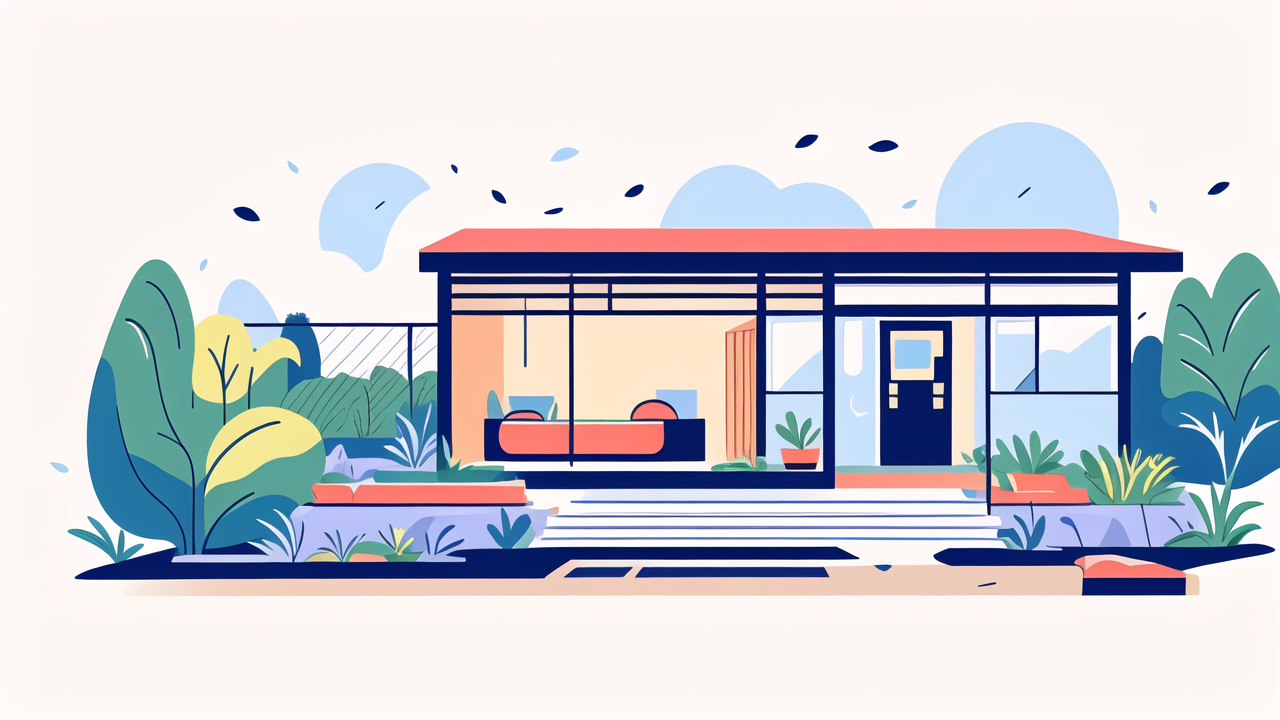
Use the beds to create garden rooms or define spaces. They can act as natural dividers between different areas of your yard. Align them with existing structures like fences or patios for a cohesive look.
Consider the visual impact from different viewpoints. Place taller plants at the back of the bed and shorter ones in front. This creates depth and interest. Use the beds to frame views or create focal points in your garden design.
Creative Ideas for Customization
Customizing your line raised garden beds can make them unique features in your landscape. Here are some ideas:
- Add built-in seating along one side for a functional garden feature.
- Install solar-powered lights along the edges for nighttime ambiance.
- Create multi-level beds for visual interest and to accommodate plants with different needs.
- Incorporate a small pond or water feature adjacent to the bed.
- Use contrasting materials or colors to make the beds stand out.
Don't be afraid to get creative with shapes. While straight lines are classic, curved or L-shaped beds can add character. You can also experiment with height variations to create a more dynamic garden space.
Maintenance and Upkeep for Longevity
Proper maintenance ensures your line raised garden beds remain functional and attractive for years. Start by regularly inspecting the structure for any signs of damage or decay. Address issues promptly to prevent further deterioration.
Keep the soil healthy by adding compost or organic matter annually. This replenishes nutrients and maintains good soil structure. Mulch the surface to retain moisture and suppress weeds.
Monitor watering needs closely, as raised beds can dry out faster than ground-level gardens. Install a drip irrigation system for consistent moisture. In winter, consider covering the beds to protect the soil from erosion and nutrient leaching.
Rotate crops each season to prevent soil depletion and reduce pest problems. Clean up plant debris regularly to discourage pests and diseases. With proper care, your line raised garden beds will be productive and beautiful for many growing seasons.