

Introduction to Garden Fence Planks
Understanding the Purpose of Garden Fences
Garden fences serve many purposes in our outdoor spaces. They provide privacy, security, and define boundaries. Fences can also enhance the aesthetic appeal of your yard. When choosing fence planks, it's crucial to consider your specific needs. Do you want to keep pets in or wildlife out? Are you looking for a decorative element? Or do you need a sturdy barrier? The purpose of your fence will guide your material choice. Some materials offer better privacy, while others excel in durability or visual appeal. Understanding your main goal will help you select the best fence plank material for your garden.
Factors to Consider When Selecting Fence Planks
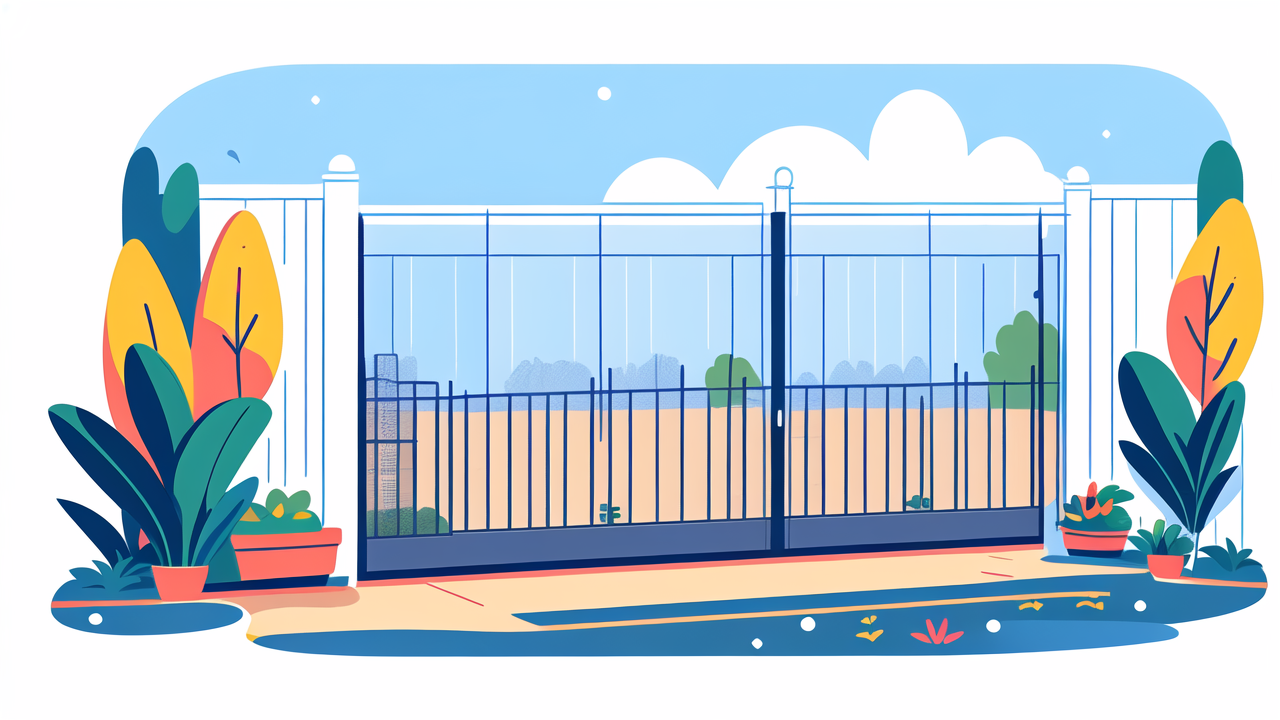
Selecting the right fence planks involves weighing several factors. Climate is a key consideration. Some materials withstand harsh weather better than others. Budget is another crucial factor. Initial costs and long-term maintenance expenses vary widely among materials. Aesthetics play a role too. Your fence should complement your home and landscape. Durability is important for long-lasting results. Consider how much maintenance you're willing to do. Some materials require regular upkeep, while others are low-maintenance. Local regulations may also affect your choice. Some areas have restrictions on fence height or materials. By carefully considering these factors, you can choose fence planks that best suit your needs and preferences.
Key Materials Used in Garden Fences
Wooden Options: Durability and Aesthetics
Wood is a classic choice for garden fences, offering natural beauty and versatility. Cedar and redwood are popular for their durability and resistance to decay. Pine is more affordable but may require more maintenance. Treated lumber offers good longevity at a reasonable price. Wood fences can be painted or stained to match your style. They blend well with most landscapes and can be customized easily. However, wood requires regular maintenance to prevent rot and insect damage. It may warp or split over time, especially in harsh climates. Despite these challenges, many homeowners prefer wood for its timeless appeal and ability to age gracefully. With proper care, a wooden fence can last 15-20 years or more.

Synthetic Fence Planks: Cost and Maintenance
Synthetic fence planks, often made from vinyl or composite materials, are gaining popularity. These materials offer several advantages over traditional wood. They're highly durable and resist rot, insects, and weather damage. Synthetic planks don't require painting or staining, making them low-maintenance. They come in various colors and styles, some mimicking wood grain. While the initial cost may be higher than wood, synthetic fences can be more cost-effective long-term due to reduced maintenance needs. They're also eco-friendly, often made from recycled materials. However, some find synthetic fences less aesthetically pleasing than natural wood. They may also become brittle in extreme cold. Despite these drawbacks, synthetic fence planks are an excellent choice for those seeking a durable, low-maintenance option.
Metallic Fence Planks: Longevity and Style
Metallic fence planks offer unmatched durability and a modern aesthetic. Aluminum and steel are common choices. Aluminum is lightweight, rust-resistant, and ideal for coastal areas. Steel is stronger but may require rust-proofing treatments. Both materials come in various styles and colors. Metal fences can last for decades with minimal maintenance. They're fire-resistant and can withstand extreme weather conditions. Some designs allow for partial visibility while maintaining privacy. However, metal fences can be more expensive initially. They may not provide the warmth of wood or the versatility of synthetic materials. Installation can be more complex, often requiring professional help. Despite these considerations, metal fence planks are an excellent choice for those prioritizing longevity and sleek design in their garden fencing.
Evaluating the Best Garden Fence Plank Materials for the U.S. Market
Regional Variations in Garden Fence Plank Preferences
Fence plank preferences vary across different regions of the United States. In the Northeast, traditional wood fences remain popular due to their classic look. Cedar and pressure-treated pine are common choices. The Southeast favors vinyl fences for their resistance to humidity and insects. In the Midwest, both wood and vinyl are popular, with metal gaining ground. The Southwest often uses adobe or stucco-covered fences to match regional architecture. In arid areas, metal and vinyl are preferred for their durability in hot, dry conditions. The Pacific Northwest leans towards cedar fences, which naturally resist moisture. Coastal areas in all regions tend to favor aluminum or vinyl for their resistance to salt air and moisture. Understanding these regional trends can help homeowners make informed decisions about their fence plank materials.
Expert Recommendations: Materials and Installation
Experts in the fencing industry offer valuable insights on materials and installation. For wood fences, they recommend using rot-resistant species like cedar or redwood. Proper sealing and regular maintenance are crucial for longevity. For synthetic fences, experts stress the importance of quality materials. Cheaper options may save money initially but can lead to problems later. With metal fences, professional installation is often recommended due to the precision required. Experts advise considering the fence's purpose when choosing materials. For privacy, solid panels work best. For security, taller fences with pointed tops are effective. For decorative purposes, ornamental metal or lattice-topped wood fences are suggested. Proper installation is key for all materials. This includes setting posts deep enough and using the right hardware. Following expert recommendations ensures a fence that looks good and lasts long.
Comparing Cost vs. Quality in Fence Plank Materials
When evaluating fence plank materials, it's essential to balance cost and quality. Wood is often the most affordable option upfront. However, ongoing maintenance costs can add up over time. Pressure-treated pine offers a good balance of affordability and durability. Cedar and redwood cost more but require less maintenance. Vinyl and composite materials have higher initial costs but lower long-term expenses. They require minimal upkeep and last longer than wood. Metal fences, particularly aluminum and steel, are the most expensive initially. However, their longevity and low maintenance needs can make them cost-effective over time. When comparing costs, consider both purchase price and long-term expenses. Factor in maintenance, lifespan, and potential replacement costs. Remember, the cheapest option isn't always the most economical in the long run. Investing in quality materials can lead to better performance and satisfaction over time.