
The Evolution of Cottage Garden Design in the United States
The Aesthetic Shift: Modern Cottage Gardens
Modern cottage gardens blend old-world charm with new design ideas. They keep the cozy feel of traditional gardens but add fresh elements. These gardens mix classic plants with modern structures.

Designers now use clean lines and geometric shapes. These pair well with soft, flowing plants. The result is a garden that feels both familiar and new. Modern materials like steel and glass are common.
Color schemes have evolved too. While soft pastels are still popular, bold colors are now welcome. This mix creates a lively, modern feel. The goal is to create a space that's both relaxing and exciting.
Integrating Technology and Sustainability in Cottage Gardens
Modern cottage gardens embrace eco-friendly practices. Many include rainwater collection systems. Solar-powered lighting is becoming more common. These tech additions help gardens thrive while saving resources.
Sustainable planting is a key feature. Native plants are often used as they need less care. Drought-resistant species help conserve water. Many gardens now have hidden composting areas.
Smart irrigation systems are popular in modern cottage gardens. These systems adjust watering based on weather data. This saves water and keeps plants healthy. Some gardeners even use apps to monitor plant health.
The Role of Cottage Gardens in Urban Landscapes
Urban cottage gardens are gaining popularity. They bring nature into city spaces. These gardens often use vertical planting to make the most of limited space. Rooftop and balcony gardens are common in cities.
Community cottage gardens are popping up in many urban areas. They offer green spaces in dense neighborhoods. These gardens help build community and provide fresh produce. They also help reduce the urban heat island effect.
Urban cottage gardens often include edible plants. This blends beauty with function. It's a nod to the original purpose of cottage gardens, which was to provide food for the household.
Key Features of a Modern Cottage Garden
Rectangular Plant Stands: The Perfect Blend of Functionality and Style
Rectangular plant stands are a key feature in modern cottage gardens. They add structure to soft, flowing plantings. These stands come in various materials. Wood, metal, and concrete are popular choices.

Plant stands help create levels in the garden. This adds visual interest and depth. They're great for small spaces. You can fit more plants in a vertical arrangement. This is perfect for urban gardens.
These stands are ideal for herbs and small flowers. They keep plants organized and easy to reach. Some stands have built-in watering systems. This makes plant care easier, especially in busy urban settings.
Composite Fence Pickets: A Sustainable Choice for Cottage Gardens
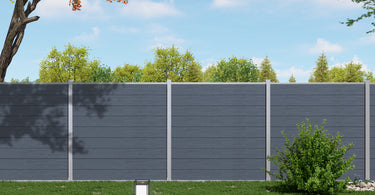
Composite fence pickets are eco-friendly and durable. They're made from recycled materials. This makes them a sustainable choice for garden boundaries. They fit well with the modern cottage garden aesthetic.
These pickets mimic the look of wood. But they need less maintenance. They don't rot or attract pests. This makes them ideal for damp garden settings. They're perfect for creating privacy in urban gardens.
Composite pickets come in many colors and styles. They can match any garden design. Some even look like weathered wood. This gives gardens an instant mature look, perfect for new urban spaces.
Incorporating Smart Home Technologies in Cottage Gardens
Smart tech is finding its way into cottage gardens. Automated watering systems are common. They use sensors to water plants only when needed. This saves water and time, which is great for busy urban gardeners.
LED grow lights extend the growing season. They can be programmed to mimic natural light cycles. This helps plants thrive year-round, even in shady urban spots. It's perfect for indoor herb gardens too.
Weather stations linked to garden systems are useful. They can adjust care based on local conditions. Some gardens use smart speakers for plant care reminders. This tech makes gardening easier for beginners.
Creating an Idyllic Modern Cottage Garden Experience
Design Tips for Small Spaces
Small spaces can become charming cottage gardens. Use vertical space with climbing plants and trellises. This adds height and interest. Choose multi-purpose furniture. A bench can double as storage.

Create zones in your garden. Use paths or different materials to separate areas. This makes the space feel larger. Use mirrors to reflect light and create depth. This trick works well in small urban gardens.
Choose plants that fit small spaces. Dwarf varieties work well. Use containers for flexibility. You can move them to change the look or follow the sun. This is perfect for balcony or patio gardens.
Maintenance Strategies for Cottage Gardens
Modern cottage gardens need smart maintenance. Use mulch to reduce watering and weeding. Choose low-maintenance plants when possible. Native species often need less care and suit the local climate.
Plan for year-round interest. Mix plants that bloom at different times. Include evergreens for winter color. Prune regularly to keep plants healthy and shaped. This keeps the garden looking good all year.
Use organic pest control methods. Encourage beneficial insects. This keeps the garden eco-friendly. Rotate annual plants to prevent soil depletion. These practices are especially important in urban settings.
Case Studies: Transforming Spaces into Modern Cottage Gardens
A city balcony became a lush cottage garden. The owner used vertical planters and hanging baskets. They chose compact plants that thrive in containers. A small water feature added charm and masked city noise.
A suburban backyard was divided into garden rooms. Each had a different theme. One area focused on edibles, another on native plants. Paths connected the spaces, creating a journey through the garden.
An old parking lot was turned into a community cottage garden. Raised beds made planting easy. A central seating area became a gathering spot. The garden now feeds and unites the neighborhood. It's a green oasis in the city.