
Understanding the Market: The Demand for High-Value Fencing in the United States
Analyzing Consumer Trends
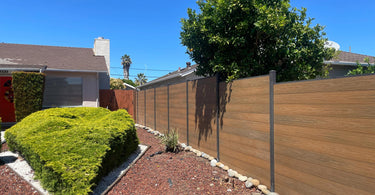
The US fencing market is evolving rapidly. Homeowners now seek more than just security. They want style and durability too. Composite and iron fences are gaining popularity. These materials offer a perfect blend of aesthetics and function. Consumers are willing to invest more in high-quality fencing. They see it as a way to boost their property's appeal and value.

The Role of Fencing in Property Value
A well-chosen fence can significantly increase home value. It's not just about security anymore. Fencing adds curb appeal and defines property lines. Real estate experts often highlight good fencing as a selling point. It can make a property stand out in a competitive market. The right fence can add up to 5% to a home's value. This makes it a smart investment for homeowners looking to sell.
Regional Preferences in Fencing Materials
Fencing preferences vary across the US. In the Northeast, traditional wrought iron is popular. The South favors composite fencing for its durability in humid climates. The West Coast leans towards modern designs, often mixing materials. The Midwest still values classic wood fences, but composite is gaining ground. Understanding these trends helps homeowners make informed choices.
Comparative Analysis: Composite Fence vs. Iron Fence
Aesthetic Appeal: The Battle of Design
Composite fences offer versatility in design. They come in various colors and textures. Some even mimic wood grain. This allows homeowners to match their home's style easily. Iron fences, on the other hand, provide a timeless, elegant look. They're perfect for historic homes or upscale neighborhoods. Modern iron fence designs can also suit contemporary homes. Both materials can enhance a property's appearance, but in different ways.

Longevity and Maintenance: What Homeowners Should Know
Composite fences are known for their low maintenance. They resist rot, insects, and fading. This means less work for homeowners over time. Iron fences are incredibly durable but require more upkeep. They need regular painting to prevent rust. However, a well-maintained iron fence can last for generations. Composite fences typically last 20-30 years. Both options offer good longevity, but with different maintenance needs.
Cost-Effectiveness: Initial Investment vs. Ongoing Expenses
Initial costs for composite fences are often higher than iron. However, they save money in the long run. Composite needs little maintenance, reducing ongoing costs. Iron fences have a lower upfront cost but higher maintenance expenses. Over time, the total cost of ownership may be similar. Homeowners should consider their budget for both short and long-term expenses.
Strategic Advice for Homeowners and Property Investors
Assessing the Impact of Fencing on Property Values
Fencing can significantly boost property values when done right. Here are key points to consider:

- Match the fence style to your home's architecture
- Ensure the fence complements the neighborhood aesthetic
- Choose materials that suit your local climate
- Consider the purpose of the fence (privacy, security, or decoration)
- Invest in professional installation for best results
A well-chosen fence can increase your home's value by up to 5%. This makes it a worthwhile investment for many homeowners.
Incorporating Fence Design into Overall Home Value Enhancement
To maximize your fence's impact on home value:
- Use the fence to create outdoor living spaces
- Add landscaping elements that complement the fence
- Consider lighting to highlight the fence at night
- Ensure the fence enhances, not obstructs, views
- Maintain consistency with other exterior elements
A fence should be part of a cohesive exterior design. This approach can significantly boost your property's appeal and value.
Future-Proofing Your Home with the Right Fencing Choice
When choosing between composite and iron fencing, think long-term:
- Consider local climate trends and how they might affect materials
- Look at neighborhood development plans that might influence style preferences
- Think about your long-term maintenance capacity and budget
- Assess potential changes in local regulations regarding fencing
- Choose a design that will remain appealing for years to come
The right fence is an investment in your home's future. It should enhance value and appeal for years to come. Whether you choose composite or iron, make sure it aligns with your long-term property goals.