
Understanding the Importance of Garden Fences
The Role of Fences in Landscaping
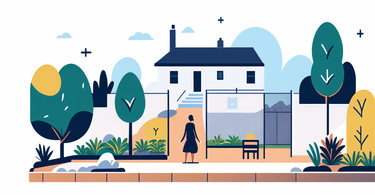
Fences play a crucial role in garden design. They define boundaries and create privacy. A well-chosen fence can enhance the beauty of your outdoor space. It serves as a backdrop for plants and flowers.

Fences provide structure to your garden layout. They can divide areas for different purposes. For example, you might separate a vegetable patch from a seating area. Fences can also guide the eye and create focal points.
In landscaping, fences are both functional and decorative. They protect plants from wind and animals. At the same time, they add character and style to your outdoor oasis. A good fence can transform a simple garden into a stunning retreat.
Benefits of a 6-Foot Garden Fence
A 6-foot fence offers many advantages for your garden. Here are some key benefits:
- Maximum privacy: It blocks the view from neighboring properties.
- Improved security: It deters intruders and keeps pets and children safe.
- Noise reduction: It helps minimize street noise and creates a peaceful environment.
- Wind protection: It shields your plants from strong winds.
- Aesthetic appeal: It provides a canvas for climbing plants or decorative elements.
A 6-foot fence can turn your garden into a private retreat. It creates a sense of enclosure and coziness. This height is ideal for most residential properties. It offers privacy without making your space feel closed in.
With a 6-foot fence, you can enjoy your outdoor space without feeling exposed. It's tall enough to block most sightlines. Yet, it's not so tall that it feels overwhelming or unfriendly.
Key Considerations When Selecting 6-Foot Fence Panels
Material and Durability
When choosing fence panels, material is crucial. It affects durability, maintenance, and cost. Common materials include:

- Wood: Natural look, but requires regular maintenance.
- Vinyl: Low maintenance and long-lasting, but can be pricey.
- Metal: Durable and sleek, but may lack privacy.
- Composite: Combines wood and plastic for durability and low maintenance.
Consider your local climate when selecting materials. Some fare better in wet or humid conditions. Others resist UV damage better in sunny areas. Choose a material that can withstand your area's weather patterns.
Durability is key for long-term satisfaction. A well-made fence should last for years with proper care. Look for warranties and read reviews to gauge longevity. Consider the initial cost versus long-term value when making your choice.
Design and Aesthetics
The design of your fence panels can greatly impact your garden's look. Consider these factors:
- Style: Choose between traditional, modern, or rustic designs.
- Color: Select a shade that complements your home and garden.
- Texture: Decide on smooth finishes or more textured options.
- Pattern: Options range from simple vertical boards to intricate lattice work.
Your fence should harmonize with your home's architecture. It should also match your garden's overall theme. A cohesive look enhances your property's curb appeal.
Think about how the fence will interact with your plants. Will it serve as a backdrop for climbing vines? Or will it stand alone as a design element? These factors will guide your choice in design and aesthetics.
Installation and Maintenance
Installation is a crucial factor in fence selection. Some options include:
- DIY installation: Suitable for handy homeowners, but can be time-consuming.
- Professional installation: Ensures proper setup but adds to the overall cost.
- Modular systems: Offer easier installation but may limit design options.
Consider the complexity of installation when choosing your fence. Some materials require special tools or skills to install properly. Factor in the cost of installation when budgeting for your fence project.
Maintenance needs vary widely between materials. Wood fences need regular staining or painting. Vinyl and metal fences usually require only occasional cleaning. Factor in long-term maintenance costs and effort when making your choice.
Some fences need yearly upkeep, while others can go years with minimal care. Choose a fence that fits your lifestyle and maintenance preferences. A low-maintenance option might cost more upfront but save time and money in the long run.
Top Picks: Best 6-Foot Fence Panels on the Market
Reviewing the Top Materials
When it comes to 6-foot fence panels, certain materials stand out:

- Cedar: Known for its natural beauty and resistance to decay.
- Pressure-treated pine: Affordable and treated to resist insects and rot.
- Vinyl: Durable, low-maintenance, and available in various styles.
- Aluminum: Lightweight, rust-resistant, and ideal for modern designs.
- Composite: Combines the look of wood with the durability of plastic.
Each material has its strengths. Cedar offers a classic look and natural insect resistance. Vinyl provides long-lasting color without the need for painting. Aluminum is perfect for sleek, contemporary designs.
Consider your priorities when choosing. If low maintenance is key, vinyl or aluminum might be best. For a natural look, cedar or composite could be ideal. Balance your budget with your desired aesthetics and durability needs.
Innovative Designs and Textures
Fence panel designs have come a long way. Today's options include:
- Horizontal slat panels: Offer a modern, streamlined look.
- Shadow box fences: Provide privacy while allowing some air flow.
- Decorative lattice tops: Add visual interest to standard privacy fences.
- Textured vinyl panels: Mimic the look of wood without the maintenance.
- Mixed material designs: Combine wood and metal for a unique appearance.
These innovative designs can make your fence a standout feature. They add personality to your garden while serving their primary function. Consider how different textures and patterns can enhance your outdoor space.
Some designs also offer practical benefits. For example, horizontal slats can make a small yard appear wider. Lattice tops allow for better air circulation while maintaining privacy. Choose a design that balances aesthetics with functionality for your space.
Sustainable and Eco-Friendly Options
Eco-conscious gardeners have several sustainable fence options:
- Reclaimed wood: Gives new life to old materials.
- Bamboo: Fast-growing and renewable.
- Recycled plastic: Turns waste into durable fencing.
- Living fences: Use plants like hedges for natural boundaries.
- FSC-certified wood: Ensures responsible forest management.
These options reduce environmental impact. They often require less energy to produce than traditional materials. Some, like living fences, can even enhance biodiversity in your garden.
Consider the long-term effects of your choice. Sustainable fences may cost more upfront. However, they often last longer and have less impact on the environment. This makes them a wise choice for eco-friendly landscaping.
Choosing a sustainable option shows your commitment to the environment. It can also add a unique touch to your garden. Living fences, for example, change with the seasons and grow over time.
In conclusion, choosing the perfect 6-foot fence panels involves many factors. Consider material, design, installation, and sustainability. Balance these with your budget and garden needs. With the right choice, you'll create a beautiful, functional boundary for your outdoor oasis.