

Introduction to Square Planter Boxes
Benefits of Utilizing Square Planter Boxes
Square planter boxes are a great addition to any garden. They offer many benefits for both new and experienced gardeners. These boxes help maximize space in small gardens. They also make it easier to control soil quality and drainage.
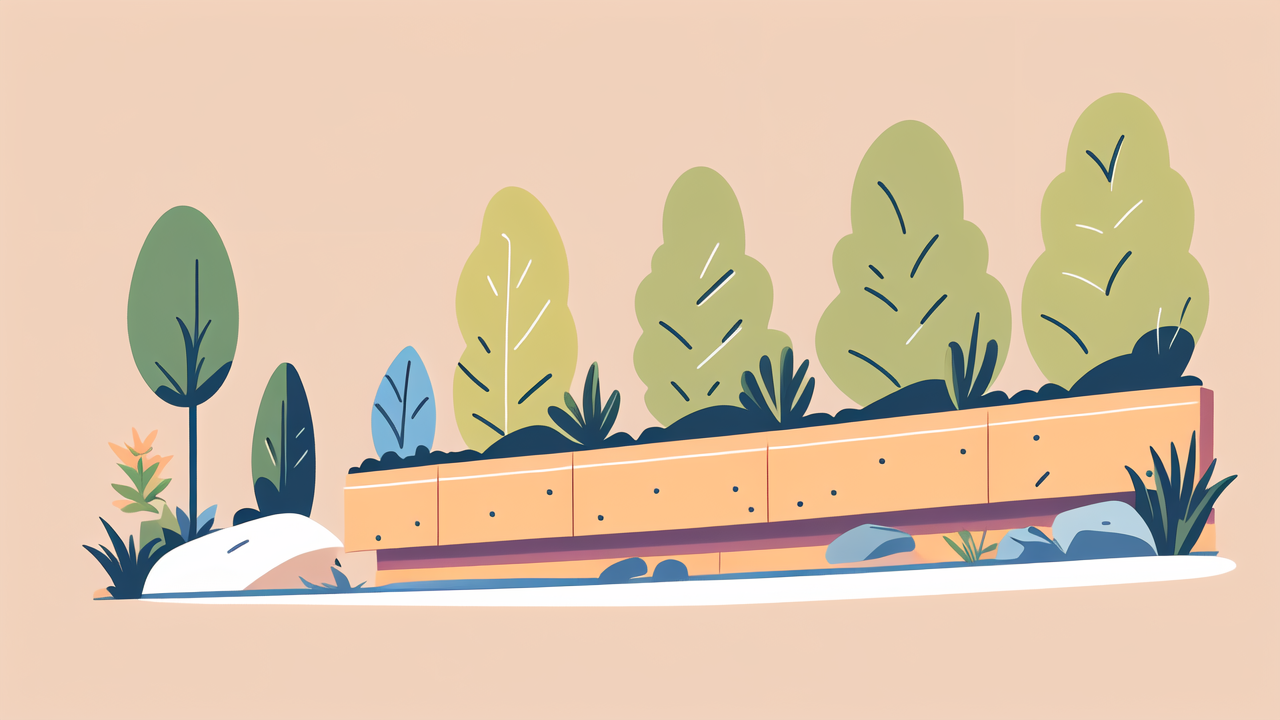
Square planters are versatile. You can use them for flowers, herbs, or vegetables. They're perfect for patios, decks, or small yards. These boxes can even serve as a garden fence, adding structure to your outdoor space.
Another advantage is the ease of maintenance. With raised beds, you'll have less bending and kneeling. This makes gardening more comfortable, especially for those with mobility issues. Square planters also help keep pests at bay and reduce weed growth.
Essential Materials for Building Your Garden Fence
To build a square planter box, you'll need some basic materials. Here's a list of what you'll need:
- Wood boards (cedar or redwood work well)
- Wood screws
- Drill and drill bits
- Saw (circular or hand saw)
- Measuring tape
- Pencil
- Level
- Sandpaper
- Wood sealer or paint
- Landscaping fabric
- Staple gun and staples
Choose rot-resistant wood like cedar or redwood. These types last longer in outdoor conditions. You'll also need screws designed for outdoor use to prevent rusting. Don't forget safety gear like gloves and safety glasses.
For drainage, you'll need small rocks or gravel. A hammer and nails can be useful too. If you plan to move the planter, consider adding wheels. Lastly, get some good quality soil and compost for planting.
Detailed Instructions for Building a Square Planter Box
Measuring and Marking Your Materials
Start by deciding on the size of your planter box. A common size is 4 feet by 4 feet. This size works well for most gardens. It's also easy to reach the center from all sides.
Measure and mark your wood boards according to your chosen size. You'll need four sides and a bottom. Don't forget to account for the thickness of the wood when measuring. Use a pencil to mark cutting lines on the boards.
Double-check all measurements before cutting. It's always better to measure twice and cut once. If you're making multiple boxes, create a template. This will help ensure all your planters are the same size.
For the bottom, you may need to join boards together. Mark where these joins will be. Plan for small gaps between bottom boards. This helps with drainage. Remember, precise measurements lead to a sturdier planter box.
Assembly: Nailing the Corners and Finishing Touches
Now it's time to assemble your planter box. Start by attaching two side boards to form a corner. Use wood screws for a strong hold. Pre-drill holes to prevent the wood from splitting. Repeat this for all four corners.
Once the sides are attached, add the bottom boards. Secure them to the sides with screws. Leave small gaps between bottom boards for drainage. Check that everything is level as you go.
After assembly, sand any rough edges. This prevents splinters and gives a neater look. Apply wood sealer or paint to protect the wood from moisture. Let it dry completely before moving on.
For added strength, you can attach corner brackets. These help keep the box square over time. If you plan to move the planter, now's the time to add wheels. Attach them to a sturdy base board for support.
Adding Final Touches: Drainage and Aesthetics
Good drainage is crucial for healthy plants. Start by drilling a few holes in the bottom of the planter. Then, add a layer of small rocks or gravel. This helps excess water drain away from plant roots.
Next, line the inside of the box with landscaping fabric. This keeps soil from washing out through drainage holes. Staple the fabric to the sides of the box, leaving some slack at the bottom.
Now you can add your soil mix. Use a blend of garden soil and compost for best results. Fill the box to about an inch below the top. This leaves room for watering without overflow.
For a finishing touch, consider adding a trim around the top edge. This gives a polished look and can extend the life of the planter. You could also paint or stain the exterior to match your garden decor.
Maximizing Your Garden's Potential with Square Planter Boxes
Creative Ways to Utilize Square Planter Boxes in Your Garden
Square planter boxes offer endless possibilities for creative gardening. You can use them to create a garden fence, dividing different areas of your yard. Arrange multiple boxes at varying heights for a dynamic look.

Try vertical gardening by attaching trellises to your planter boxes. This is great for vining plants like peas or beans. You can also create tiered planters by stacking smaller boxes on larger ones.
Use planter boxes to define pathways in your garden. Place them along walkways or around seating areas. This adds structure and beauty to your outdoor space. You can even use them to create a privacy screen.
For small spaces, try hanging planter boxes on walls or fences. This maximizes growing area in tight spots. Mix flowers and edibles in the same box for a beautiful and productive garden. The options are limitless!
Maintenance Tips for Long-Lasting Planter Boxes
To keep your planter boxes in good shape, regular maintenance is key. Check for any loose screws or nails periodically. Tighten them as needed to keep the structure sturdy.
Inspect the wood for signs of rot or insect damage. Treat any issues promptly to prevent spread. Reapply wood sealer or paint every few years to protect against moisture.
Clean out your planter boxes at the end of each growing season. Remove old plants and refresh the soil. This prevents disease and ensures healthy growth for next year's plants.
In winter, consider covering your planter boxes to protect them from harsh weather. Elevate them slightly off the ground to prevent water damage. With proper care, your planter boxes can last for many years.
Common Mistakes to Avoid When Building Your Garden Fence
When building planter boxes as a garden fence, avoid some common errors. Don't use treated lumber for vegetable gardens. The chemicals can leach into the soil and your food.
Avoid making your boxes too large. They should be easy to reach across for planting and harvesting. Don't skimp on drainage. Poor drainage can lead to root rot and plant death.
Don't forget to level your planter boxes. Uneven boxes can cause water to pool in one area. This leads to uneven watering and plant stress. Take the time to ensure everything is level.
Lastly, don't overlook the importance of quality soil. Using poor soil will result in poor plant growth. Invest in good soil and compost for the best results in your square planter boxes.