

Understanding the Different Types of Garden Fences
What is a Garden Fence?
A garden fence is a barrier that surrounds outdoor spaces. It serves many purposes for homeowners. Fences can mark property lines and add privacy. They also keep pets and children safe within the yard. Garden fences come in various styles and materials. Each type offers unique benefits and drawbacks.
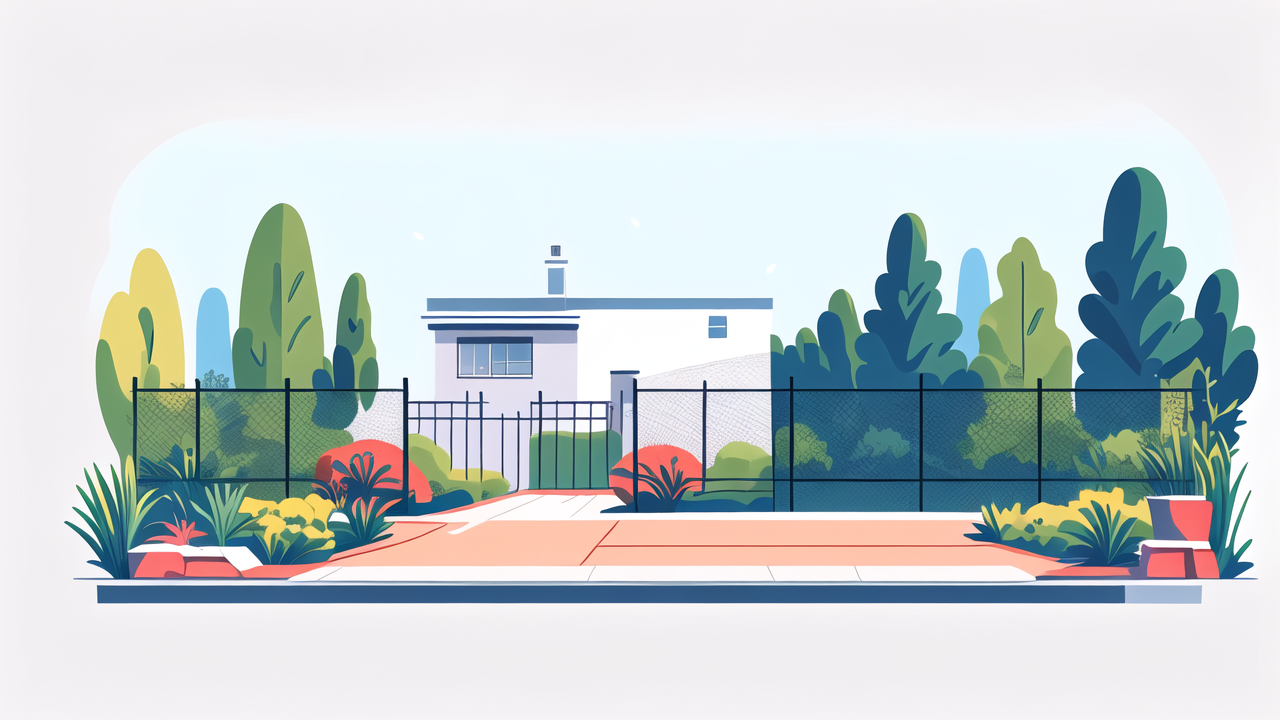
Fences can be decorative or functional. Some are designed to blend with landscaping. Others stand out as a focal point. The right fence depends on your needs and preferences. It should match your home's style and complement your garden. A good fence can boost curb appeal and property value.
Key Characteristics of Wood, Composite, and Metal Fences
Wood fences are classic and versatile. They offer a natural look that suits many homes. Wood can be painted or stained in various colors. It's easy to work with and repair. However, wood needs regular maintenance to prevent rot and insect damage.
Composite fences blend wood fibers with plastic. They mimic the look of wood without the upkeep. These fences resist rot, insects, and fading. They come in many colors and styles. Composite is more expensive than wood but lasts longer.
Metal fences, like aluminum or steel, are strong and durable. They require little maintenance and can last for decades. Metal fences come in various styles, from ornate to simple. They're ideal for security and can withstand harsh weather.
Evaluating the Pros and Cons of Garden Fence Materials
Durability and Longevity: Comparing Wood, Composite, and Metal
Wood fences typically last 10-15 years with proper care. They're susceptible to rot, insect damage, and warping. Regular staining or painting can extend their life. Cedar and redwood are naturally resistant to decay. Pressure-treated pine is affordable but less durable.

Composite fences can last 20-30 years or more. They don't rot or attract insects. These fences resist fading and cracking. They maintain their appearance with minimal care. However, they can sag over time if not properly installed.
Metal fences are the most durable option. Aluminum fences can last 30+ years. Steel fences may last even longer. They don't rust or corrode when properly coated. Metal fences can withstand extreme weather and don't warp or crack.
Maintenance and Care for Different Fence Materials
Wood fences need regular maintenance. This includes cleaning, staining, and sealing every 2-3 years. Damaged boards may need replacement. Owners should check for loose nails and tighten them. Proper drainage around posts prevents rot.
Composite fences require minimal upkeep. Occasional cleaning with soap and water is usually enough. They don't need painting or staining. Some may fade slightly over time. Composite fences can be prone to mold in damp climates.
Metal fences need little maintenance. An annual rinse with a hose keeps them clean. Paint touch-ups may be needed for steel fences. Aluminum fences don't rust and rarely need repainting. Loose fasteners should be tightened periodically.
Selecting the Right Garden Fence for Your U.S. Home
Assessing the Impact on Property Value and Aesthetics
The right fence can boost your home's value. Wood fences offer a traditional look that many buyers appreciate. They blend well with various architectural styles. However, their short lifespan may be a drawback for some.
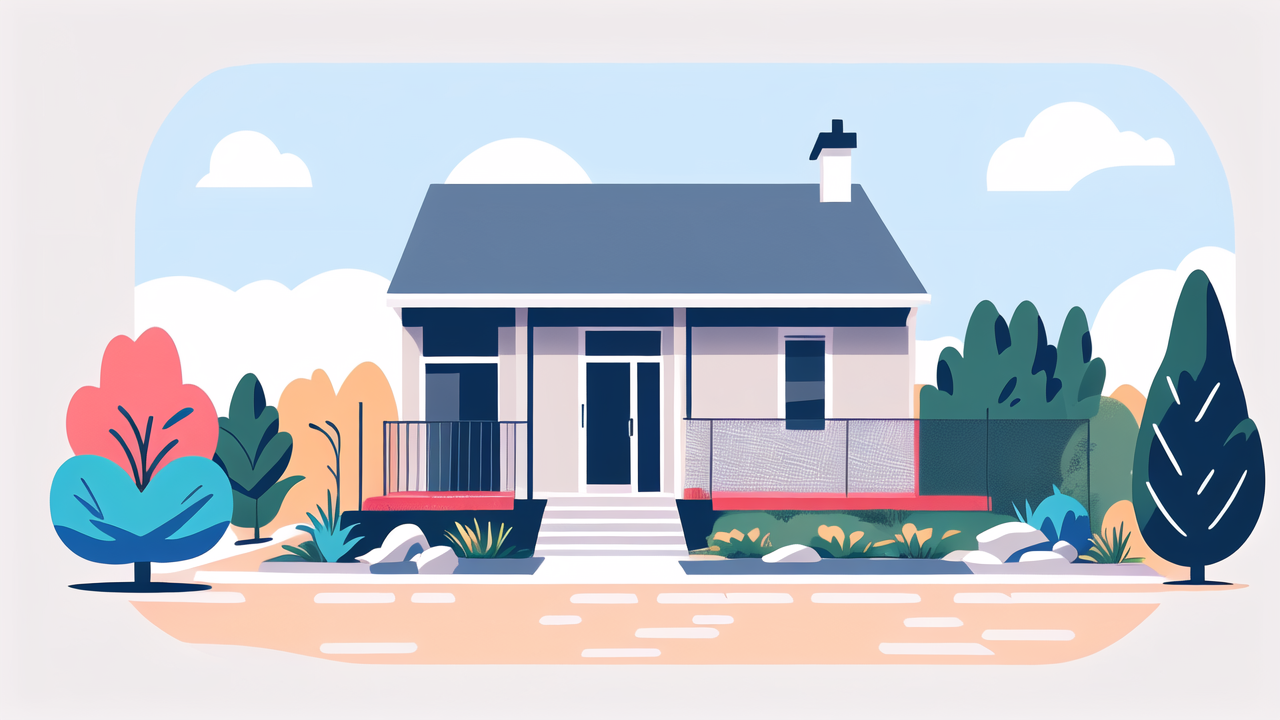
Composite fences can increase property value due to their longevity. They offer a clean, modern look that appeals to many homeowners. The low maintenance is a selling point. But some may prefer the authenticity of real wood.
Metal fences, especially ornate wrought iron, can add elegance to a property. They're often seen as a premium option. Aluminum fences are popular for their durability and low maintenance. Both can enhance curb appeal and security.
Incorporating Fence Materials into Overall Home Landscaping
Wood fences integrate well with natural landscapes. They can be stained to match or complement your home's exterior. Wood works well with traditional and rustic garden designs. It can be used to create charming arbors and gates.
Composite fences offer consistent color and texture. This makes them ideal for modern or minimalist landscapes. They pair well with contemporary home designs. Composite can be used to create sleek, clean lines in your garden.
Metal fences allow for see-through designs that don't block views. They're great for showcasing flowerbeds or water features. Ornate metal fences can serve as garden art. Simple designs work well as support for climbing plants.