
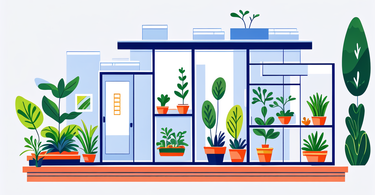
Maximizing Small Spaces: The Art of Vertical Gardening
The Benefits of a Vertical Garden Planter
Vertical garden planters are a game-changer for urban dwellers with limited space. They offer a way to grow plants upwards, maximizing every inch of available area. These planters can transform bare walls into lush, green spaces. They're perfect for balconies, patios, or even indoor use.

Vertical gardens improve air quality and add a touch of nature to your home. They can also act as natural insulators, helping to regulate indoor temperatures. Plus, they're a great way to grow herbs or vegetables right at your fingertips. With vertical planters, you can enjoy fresh produce without a traditional garden.
Selecting the Right Plants for Your Vertical Garden
Choosing the right plants is crucial for a successful vertical garden. Look for plants that are lightweight and don't have deep root systems. Succulents, ferns, and air plants are excellent choices. They're low-maintenance and thrive in vertical settings.
Herbs like basil, mint, and thyme are also great options. They're compact and provide fresh flavors for cooking. For a pop of color, consider flowering plants like petunias or impatiens. Remember to group plants with similar light and water needs together. This makes care and maintenance easier.
Tips for Maintaining Your Vertical Garden
Maintaining a vertical garden requires a bit of planning. First, ensure your planter has good drainage to prevent water logging. Water your plants regularly, but be careful not to overwater. Most vertical gardens dry out faster than traditional ones.
Fertilize your plants every few weeks to keep them healthy. Use a liquid fertilizer for easy application. Prune your plants regularly to maintain their shape and prevent overcrowding. Keep an eye out for pests and treat them promptly if they appear. With proper care, your vertical garden will thrive and beautify your space.
The Boxed Garden Solution: Combining Style and Functionality
The Rise of Boxed Garden Popularity
Boxed gardens have gained popularity in recent years, especially among urban gardeners. These compact, self-contained units offer a perfect solution for those with limited outdoor space. They can be placed on balconies, patios, or even indoors near a sunny window.

Boxed gardens come in various sizes and materials. You can find them in wood, plastic, or metal. Some are designed with wheels for easy mobility. Others come with built-in irrigation systems. The versatility of boxed gardens makes them appealing to both novice and experienced gardeners.
Advantages of Boxed Garden Design
Boxed gardens offer several advantages over traditional garden beds. They provide better control over soil quality and drainage. This is especially useful in areas with poor soil conditions. Boxed gardens also help reduce weed growth and pest problems.
These gardens are easier to maintain, as they're raised to a comfortable working height. This reduces strain on your back and knees. Boxed gardens also allow for better organization of plants. You can easily separate different types of plants or create themed gardens. They're perfect for small-space gardening and can even be used for year-round growing.
Creating an Urban Oasis with Boxed Gardens
To create an urban oasis with boxed gardens, start by choosing the right location. Look for a spot that gets adequate sunlight and is easily accessible for watering. Consider the overall design of your space and how the boxed gardens will fit in.
Mix different sizes and heights of boxes to create visual interest. Use taller boxes for plants that need more depth, like tomatoes or peppers. Shorter boxes work well for herbs or shallow-rooted vegetables. Don't forget to add some flowers for color and to attract pollinators.
Incorporate seating near your boxed gardens to create a relaxing space. Add some outdoor lighting to enjoy your urban oasis in the evenings. With careful planning, your boxed gardens can transform even the smallest outdoor area into a lush, green retreat.
Space-Saving Gardening Techniques for Compact Spaces
Utilizing Multi-Level Planting
Multi-level planting is a smart way to maximize space in small gardens. This technique involves using different heights to create more planting areas. You can achieve this with tiered planters, shelving units, or even repurposed items like ladders.

Start by placing taller plants at the back and shorter ones in front. This creates depth and allows all plants to receive adequate light. Use hanging baskets or wall-mounted planters to add another level. Don't forget about the space under tall plants. You can plant shade-loving varieties there.
The Role of Trellises and Climbing Plants
Trellises and climbing plants are excellent space-savers in small gardens. They allow you to grow vertically, using otherwise unused wall or fence space. Trellises come in various styles and materials to suit any garden design.
Choose lightweight climbers like jasmine, clematis, or morning glories. These plants add beauty without putting too much strain on structures. For edible options, consider growing peas, beans, or even small varieties of squash. Trellises can also act as natural screens, providing privacy in urban settings.
Maintenance and Care for Small-Scale Gardens
Maintaining a small-scale garden requires regular attention. Water your plants consistently, but be careful not to overwater. Small spaces can dry out quickly, so check soil moisture often. Use a moisture meter if you're unsure.
Fertilize your plants regularly to ensure they get enough nutrients. In small spaces, plants compete more for resources. Prune your plants to keep them at a manageable size. This also encourages bushier growth and more flowers or fruits.
Keep an eye out for pests and diseases. In small gardens, problems can spread quickly. Act fast if you notice any issues. Lastly, rotate your plants each season if possible. This helps prevent soil depletion and reduces pest problems. With proper care, your small-scale garden will thrive and bring joy year-round.