

Understanding the Role of Retaining Walls in Landscaping
What Are Retaining Walls?
Retaining walls are structures designed to hold back soil and create level areas in sloped landscapes. They're often used in gardens to prevent erosion and create usable space. These walls can be made from various materials like concrete, stone, or wood. They serve both practical and aesthetic purposes in landscaping.
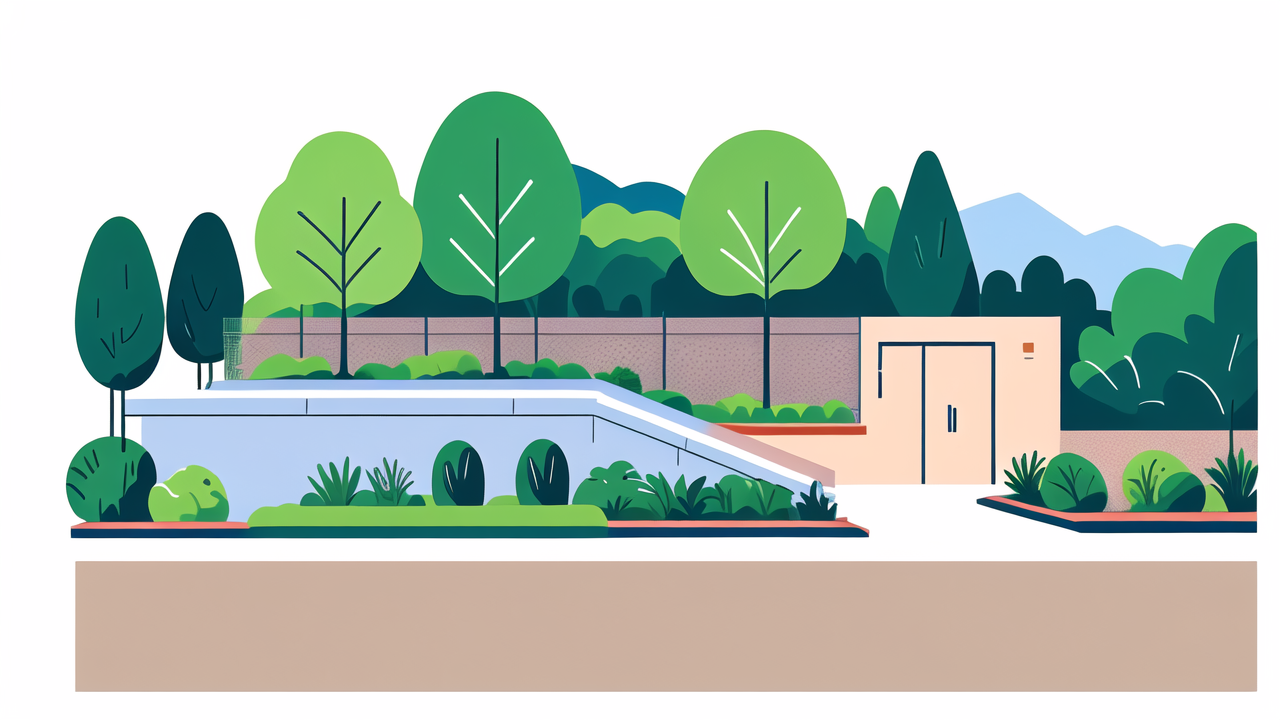
Retaining walls can transform steep slopes into terraced gardens or flat yards. They're especially useful in hilly areas or properties with significant elevation changes. By holding back soil, they create stable platforms for planting or outdoor living spaces. This makes them a valuable tool in landscape design and property improvement.
Benefits of Incorporating Fencing in Retaining Walls
Combining fencing with retaining walls offers several advantages. It enhances safety by providing a barrier at the top of the wall. This is crucial for taller walls or in areas with foot traffic. Fencing also adds privacy and defines property boundaries more clearly.
Retaining wall fences can improve the overall look of your landscape. They create a cohesive design element that ties different areas together. These structures can also serve as supports for climbing plants, adding greenery to your garden. By merging function and form, retaining wall fences maximize the use of space in your yard.
Common Materials Used in Retaining Wall Fencing
Various materials are popular for retaining wall fences. Each offers different benefits and aesthetics:
- Wood: Natural look, affordable, easy to work with
- Metal: Durable, low maintenance, sleek appearance
- Stone: Rustic charm, long-lasting, blends with nature
- Concrete: Versatile, strong, can be molded into various shapes
- Vinyl: Low maintenance, resistant to weather, comes in many colors
The choice of material depends on factors like climate, budget, and desired style. Some homeowners mix materials for a unique look. For example, a stone wall with a wrought iron fence on top can create an elegant border for your garden.
Designing Effective Retaining Wall Fences
Assessing Your Landscape for Fence Installation
Before installing a retaining wall fence, assess your landscape carefully. Consider the slope of your land and soil type. These factors affect the wall's design and structural needs. Look at drainage patterns to ensure your wall won't cause water issues.

Measure the area where you plan to build. This helps determine materials needed and potential costs. Check local zoning laws and building codes. Some areas have height restrictions or require permits for retaining walls. Also, consider how the wall will impact your neighbors' views or property lines.
The Importance of Aesthetics in Retaining Wall Fences
The look of your retaining wall fence matters. It should complement your home's architecture and landscape style. Choose colors and textures that blend with your existing outdoor elements. Consider how the wall will look from different angles, both inside and outside your property.
Think about the fence's design. It can be simple and functional or decorative and eye-catching. Some options include:
- Lattice tops for a garden-friendly look
- Solid panels for more privacy
- Decorative metal work for an elegant touch
Remember, this structure will be a prominent feature in your landscape. Make sure it enhances your property's overall appeal.
Incorporating Fencing into Overall Landscape Design
Integrate your retaining wall fence with the rest of your landscape. Use it to create distinct zones in your yard. For example, it can separate a vegetable garden from a seating area. The wall can also serve as a backdrop for flower beds or water features.
Consider how the fence will interact with plants. You might add planters on top of the wall or create pockets for trailing vines. Think about lighting too. Well-placed lights can highlight the wall's texture and create a cozy atmosphere at night.
Ensure the retaining wall fence fits with your outdoor living spaces. It should enhance, not hinder, the flow and functionality of your yard. With thoughtful design, it can become a key element in creating an inviting outdoor environment.
Best Practices for Retaining Wall Fence Installation
Safety and Compliance in the United States
In the U.S., safety is paramount when installing retaining wall fences. Many areas require permits for walls over a certain height. Check local building codes before starting your project. These codes ensure the wall is structurally sound and safe.
Some key safety considerations include:
- Proper drainage to prevent water buildup
- Adequate reinforcement for taller walls
- Secure anchoring of the fence to the wall
- Appropriate setbacks from property lines
Professional help may be needed for complex projects. An engineer can ensure your wall meets all safety standards. This is especially important for walls over four feet tall or those supporting heavy loads.
Tips for Installing Retaining Wall Fences
Proper installation is crucial for the longevity and effectiveness of your retaining wall fence. Here are some tips:
- Start with a solid foundation. Dig deep enough and use gravel for drainage.
- Use high-quality materials suited to your climate.
- Build the wall in sections, ensuring each is level and stable.
- Install proper drainage behind the wall to prevent water pressure buildup.
- Secure the fence posts deeply into the retaining wall for stability.
- Consider adding geogrid for extra support in taller walls.
- Follow manufacturer instructions for specific products used.
Take your time and don't rush the process. Careful installation now prevents problems later. If you're not confident in your DIY skills, hiring a professional is often worth the investment.
Maintenance and Upkeep of Retaining Wall Fences
Regular maintenance keeps your retaining wall fence in good condition. Inspect it annually for signs of damage or wear. Look for cracks, leaning, or bulging in the wall. Check the fence for loose posts or damaged sections.
Clean the wall and fence regularly to prevent dirt buildup. This helps you spot potential issues early. Different materials have specific care needs:
- Wood may need periodic staining or sealing
- Metal might require rust prevention treatment
- Stone and concrete should be checked for cracking or chipping
Address any problems promptly to avoid more serious damage. Proper care ensures your retaining wall fence remains functional and attractive for years to come. With the right approach, it will continue to enhance your landscape and provide value to your property.